

🎮 Valve Steam Machine vs PS5 vs Xbox Series X — The Ultimate Gaming Showdown of 2025
The gaming world is in constant evolution. As technology races ahead, consoles have become more powerful, smarter, and feature-rich than ever before. The latest buzz centers on the Valve Steam Machine, a PC-like console that challenges the giants — Sony’s PlayStation 5 and Microsoft’s Xbox Series X.
Let’s dive deep into how these three powerhouses stack up against each other in terms of hardware, performance, games, and value.
🔧 Design & Hardware Overview
🔹 Valve Steam Machine
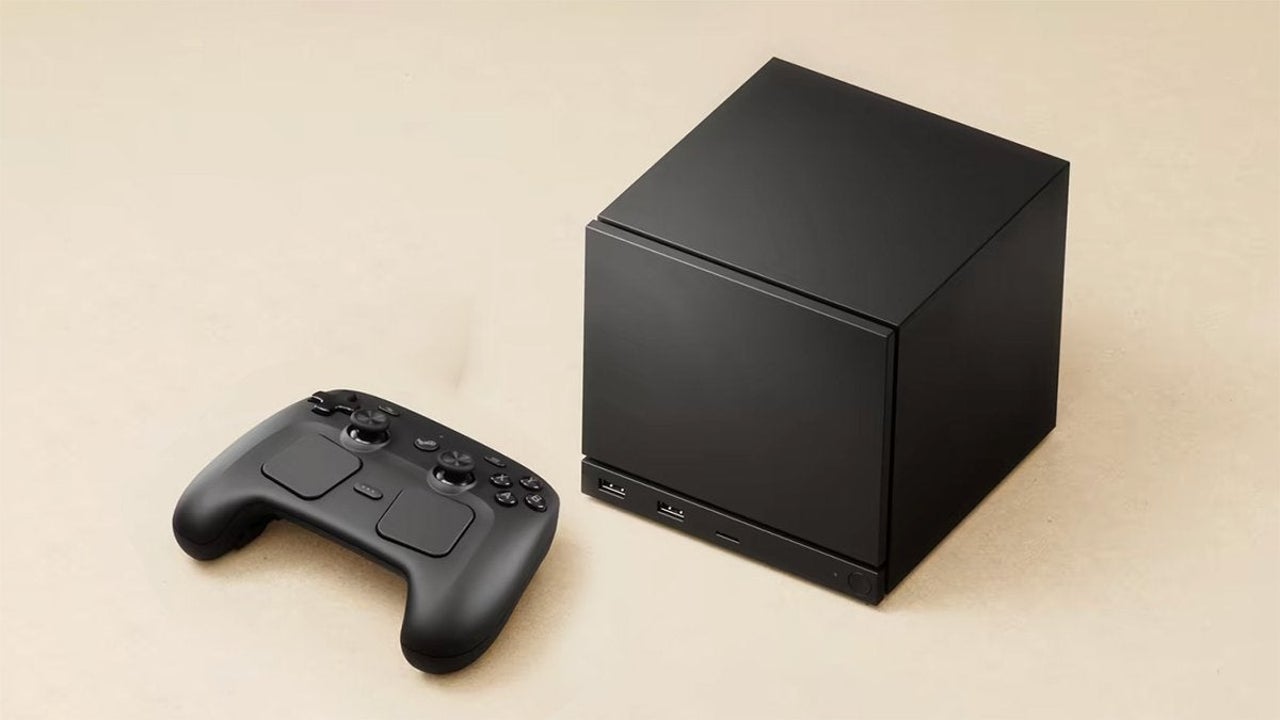
The Valve Steam Machine is essentially a compact, performance-oriented PC designed to run SteamOS, Valve’s Linux-based operating system. The unique part is its modular and customizable hardware, which allows gamers to choose specs based on their budget and performance needs.
- Operating System: SteamOS (Linux-based)
- Processor: Intel Core i5 / i7 (customizable)
- GPU: NVIDIA GeForce or AMD Radeon options
- Storage: SSD options with upgrade flexibility
- Unique Edge: PC-level customization
🔹 Sony PlayStation 5
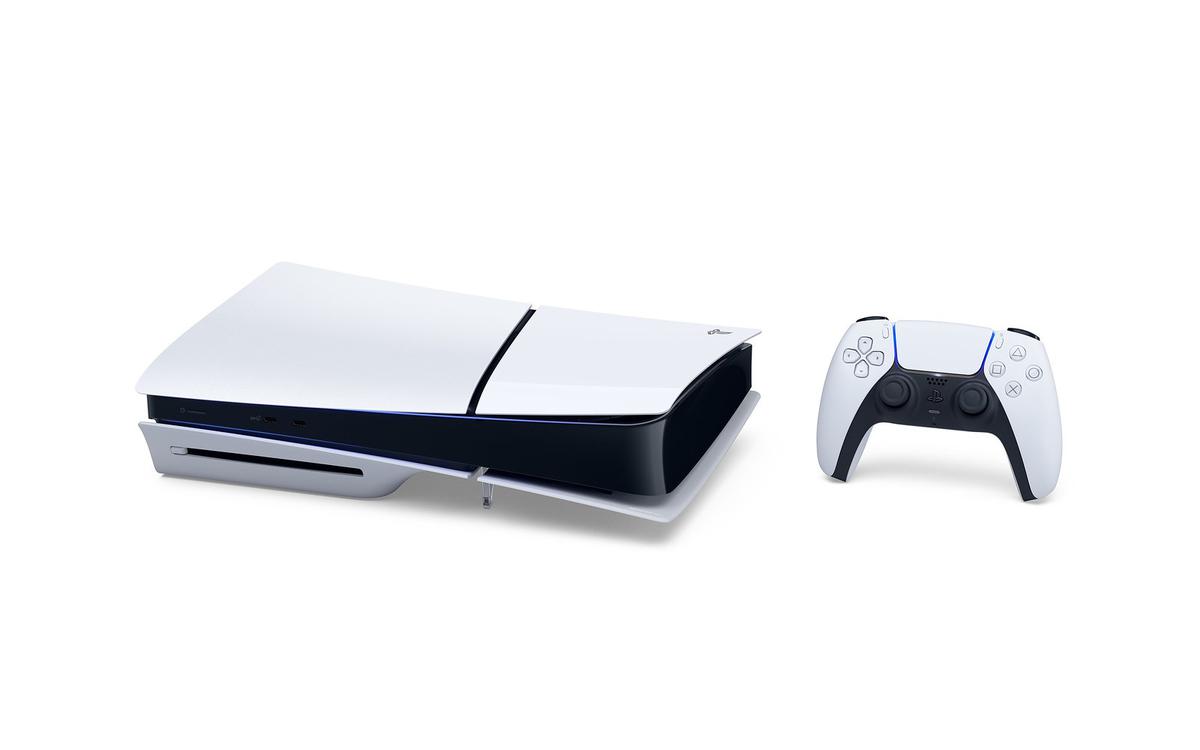
Sony’s PS5 is the most recognized console of this generation. Its futuristic design and lightning-fast custom SSD deliver almost instant game loading times and stunning graphics performance.
- CPU: Custom AMD Zen 2 (8-core, 3.5GHz)
- GPU: AMD RDNA 2 (10.28 TFLOPS)
- RAM: 16GB GDDR6
- Storage: 825GB NVMe SSD
- Highlight: DualSense controller with adaptive triggers and 3D audio
🔹 Xbox Series X
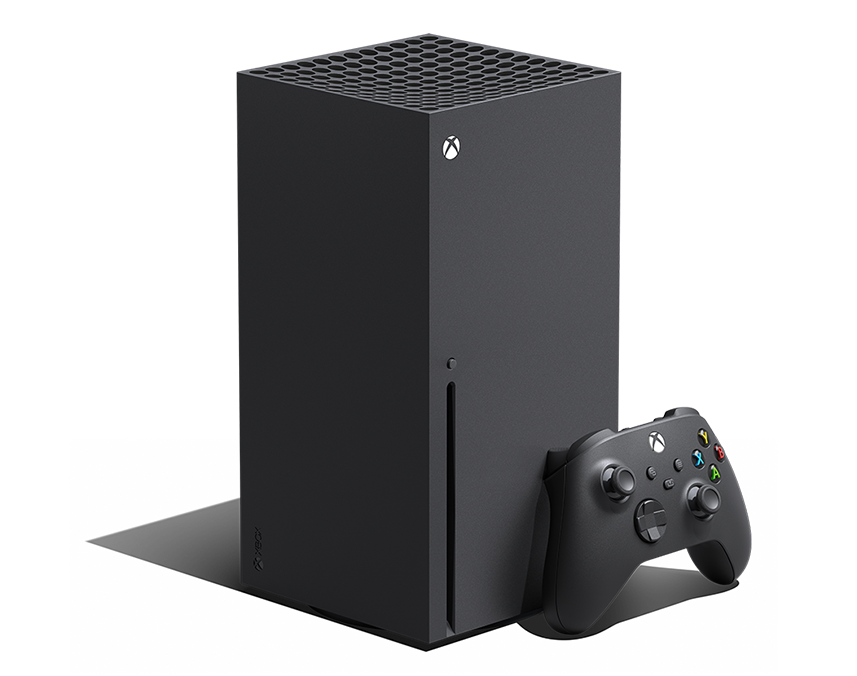
Microsoft’s Xbox Series X is often hailed as the most powerful console on the market. It focuses on sheer performance and backward compatibility with four generations of Xbox games.
- CPU: Custom AMD Zen 2 (8-core, 3.8GHz)
- GPU: 12 TFLOPS AMD RDNA 2
- RAM: 16GB GDDR6
- Storage: 1TB SSD
- Highlight: Quick Resume and Smart Delivery technology
⚙️ Performance Comparison
🖥️ Valve Steam Machine
Steam Machine’s biggest advantage lies in its versatility. It can run thousands of PC games available on the Steam Store, providing an enormous library unmatched by any console. However, since SteamOS is Linux-based, not all Windows-exclusive titles are supported.
Pros:
- Fully customizable hardware
- Huge library of PC games
- High FPS performance with premium GPU
Cons:
- Compatibility issues with some games
- Lacks plug-and-play simplicity
🎮 PlayStation 5
The PS5 delivers a cinematic experience with its next-gen hardware and exclusive titles like Spider-Man: Miles Morales, Horizon Forbidden West, and God of War: Ragnarök. The DualSense controller’s haptic feedback transforms gameplay into an immersive sensory journey.
Pros:
- Best exclusive titles in the industry
- Immersive controller experience
- 4K and HDR support
Cons:
- Limited storage space
- Less freedom for hardware upgrades
🕹️ Xbox Series X
The Xbox Series X is built for performance lovers. The Game Pass Ultimate subscription gives players access to over 100+ titles, including new releases on launch day — a huge advantage in value.
Pros:
- Highest raw power among consoles
- Game Pass library and cloud gaming
- Backward compatibility with older Xbox titles
Cons:
- Fewer exclusive games than PlayStation
🧠 Game Library & Ecosystem
| Console | Exclusive Games | Subscription/Store | Backward Compatibility |
|---|---|---|---|
| Valve Steam Machine | PC-exclusive mods, indie games | Steam Store | Yes (PC-based) |
| Sony PS5 | Horizon, Spider-Man, God of War | PlayStation Plus | Partial |
| Xbox Series X | Halo, Forza, Starfield | Game Pass Ultimate | Full (4 generations) |
Verdict:
If you want freedom and variety, Steam Machine wins.
If you crave cinematic storytelling, PS5 dominates.
For subscription-based gaming and value, Xbox Series X is unbeatable.
💡 Feature Comparison Chart
| Feature | Valve Steam Machine | Sony PS5 | Xbox Series X |
|---|---|---|---|
| Operating System | SteamOS | PlayStation OS | Xbox OS |
| Processor | Intel / AMD | Custom AMD Zen 2 | Custom AMD Zen 2 |
| GPU | GeForce / Radeon | RDNA 2 (10.28 TFLOPS) | RDNA 2 (12 TFLOPS) |
| RAM | Customizable | 16GB GDDR6 | 16GB GDDR6 |
| Storage | Customizable SSD | 825GB SSD | 1TB SSD |
| 4K Gaming | Yes | Yes | Yes |
| Cloud Gaming | Limited | PS Plus Premium | Game Pass Cloud |
| Price Range | Varies by build | ₹55,000+ | ₹55,000+ |
🎧 Controller Experience
- Steam Controller: Customizable with touchpads, ideal for strategy and indie games.
- DualSense (PS5): Haptic feedback and adaptive triggers for deeper immersion.
- Xbox Controller: Ergonomic, refined design with universal PC support.
Each controller excels in different areas: Steam for flexibility, DualSense for immersion, and Xbox for comfort and precision.
☁️ Cloud Gaming & Ecosystem Integration
- Valve Steam Machine: Works with Steam Deck and Steam Link, expanding its PC ecosystem.
- Sony PS5: Cloud gaming integrated via PlayStation Plus Premium.
- Xbox Series X: Industry-leading Cloud Gaming experience through Xbox Game Pass Ultimate, enabling gaming even without downloads.
💸 Pricing & Value
| Platform | Starting Price (Approx) | Subscription | Upgrade Options |
|---|---|---|---|
| Valve Steam Machine | ₹45,000 – ₹1,20,000 (varies by build) | None | Fully customizable |
| Sony PS5 | ₹55,000 (Standard) | PS Plus (₹499/month) | Storage expansion |
| Xbox Series X | ₹55,000 | Game Pass (₹499/month) | Storage expansion |
If budget flexibility and DIY upgrades are priorities, the Valve Steam Machine offers the best value in the long term.
🏁 Final Verdict — Which Should You Buy?
| Gamer Type | Recommended Console |
|---|---|
| PC Enthusiast / Modder | Valve Steam Machine |
| Story-driven Exclusive Lover | Sony PS5 |
| Subscription & Cloud Gamer | Xbox Series X |
Each console has carved its niche:
- Valve Steam Machine = Freedom & Customization
- PS5 = Immersion & Exclusive Titles
- Xbox Series X = Power & Value
The final choice depends on what kind of gamer you are — performance-driven, story-driven, or value-conscious.
📰 Conclusion
The battle between Valve Steam Machine, PS5, and Xbox Series X is not about who has the most teraflops anymore — it’s about experience, accessibility, and community.
- Valve gives you control and flexibility.
- Sony delivers immersion and artistry.
- Microsoft ensures affordability and connectivity.
In the end, each system represents a unique vision of gaming’s future — and that’s a win for gamers everywhere.