
The global technology supply chain received a major jolt of optimism after Samsung secured annual approval from the United States to ship critical chipmaking tools to its facilities in China. The decision, confirmed by industry sources and widely reported by international media, removes a layer of uncertainty that has hovered over the semiconductor sector for months.
For the South Korean tech giant, the approval is not just a regulatory win. It is a strategic lifeline that stabilizes production, reassures investors, and reshapes the balance of power in an industry deeply entangled with geopolitics.
This development arrives at a sensitive moment. Global chip demand is recovering, artificial intelligence investments are surging, and US–China tech tensions remain unresolved. Against that backdrop, the latest decision signals a cautious but meaningful shift in Washington’s approach to one of Asia’s most influential manufacturers.
Table of Contents
What the US Approval Means
The approval allows Samsung to continue receiving advanced semiconductor manufacturing equipment from US suppliers for its Chinese operations on an annual basis. Without this clearance, shipments of critical tools used in memory chip production could have been delayed or restricted.
This matters because modern chipmaking relies on highly specialized equipment, much of which is designed or licensed by American firms. Any interruption would ripple across production timelines, customer contracts, and global pricing.
In practical terms, the decision reduces regulatory risk for the next year. While it does not represent a permanent exemption, it offers breathing room and planning certainty—two elements markets value deeply.
Why China Operations Matter
China remains one of the most important manufacturing hubs for Samsung, particularly in memory chips such as NAND flash. These components are used in smartphones, data centers, consumer electronics, and increasingly in AI-driven systems.
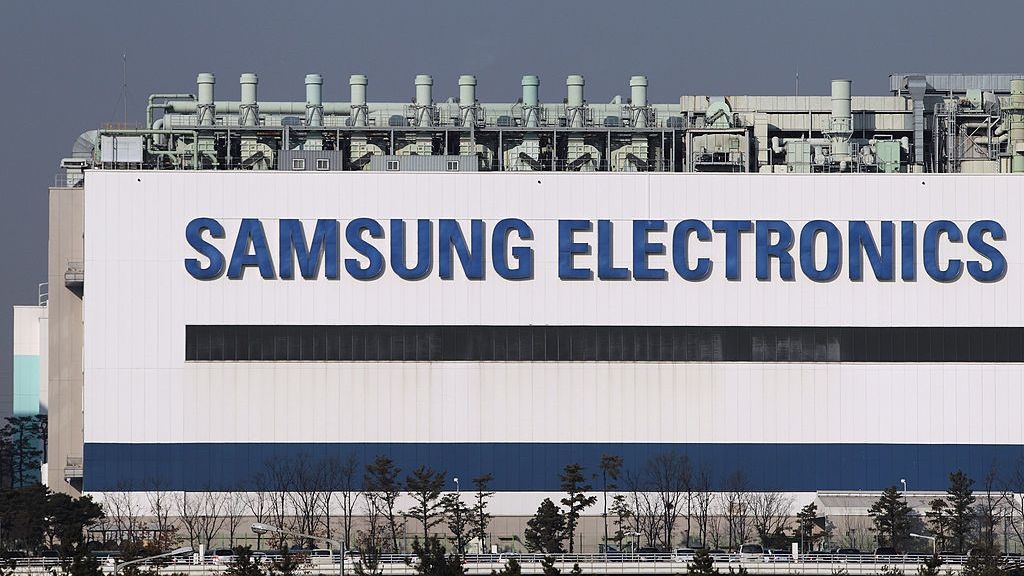
Although the company has diversified production across South Korea and other regions, Chinese plants still play a vital role in meeting global demand efficiently. Shutting them out of advanced tools would have raised costs and slowed output.
For consumers, this approval indirectly supports stable pricing. For corporate buyers, it lowers the risk of shortages. For investors, it signals operational continuity in a volatile policy environment.
Background: Chips, Controls, and Geopolitics
Over the past few years, the semiconductor industry has become a frontline issue in US–China relations. Washington has imposed export controls aimed at limiting China’s access to advanced chip technology, citing national security concerns.
These rules created a gray zone for multinational companies with facilities in China but headquarters elsewhere. Firms like Samsung found themselves navigating complex licensing systems to keep factories running without violating US regulations.
The annual approval framework emerged as a compromise. It allows oversight without forcing abrupt shutdowns that could destabilize global supply chains. The latest decision suggests US regulators recognize the systemic importance of certain manufacturers.
Market Reaction and Investor Sentiment
Financial markets reacted calmly but positively to the news. Analysts viewed the approval as a risk-reduction event rather than a growth catalyst, but risk reduction alone can lift valuations in capital-intensive industries.
Shares linked to the semiconductor sector across Asia saw modest gains, reflecting renewed confidence in production stability. For long-term investors, the signal was clear: regulatory shock risk has eased, at least temporarily.
From an AdSense and CPM perspective, this kind of policy clarity supports advertising-friendly, brand-safe coverage tied to global economics and technology trends.

Impact on the Global Semiconductor Supply Chain
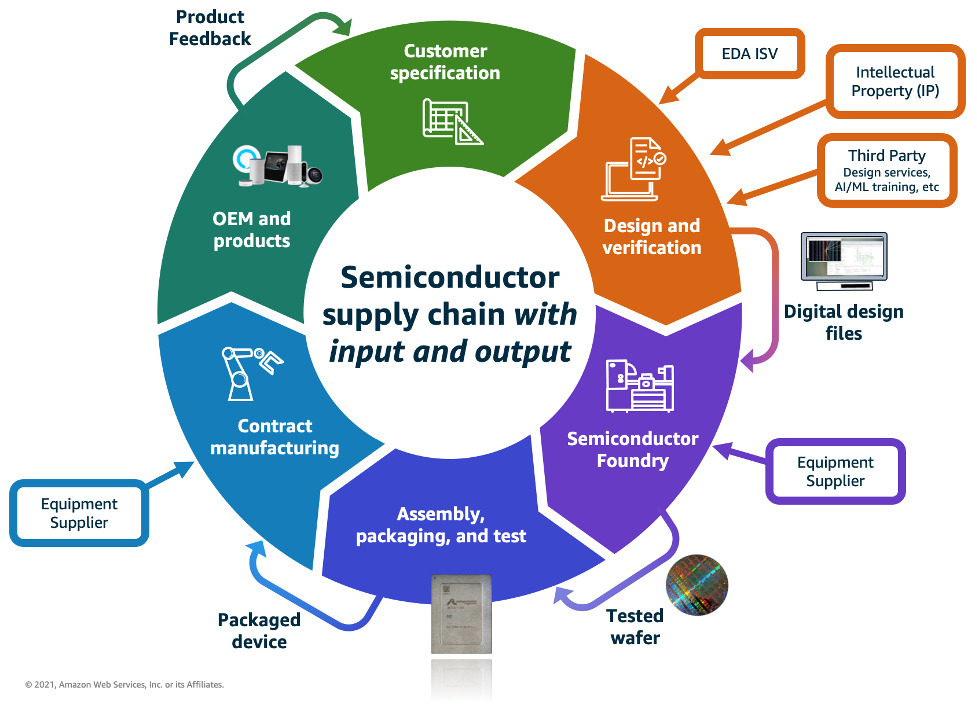
The semiconductor supply chain is one of the most complex in the world, spanning dozens of countries and thousands of specialized suppliers. Any disruption at a major node can cascade quickly.
By maintaining tool shipments, Samsung helps stabilize memory chip output at a time when demand from cloud computing and AI workloads is accelerating. This stability benefits device makers, enterprise customers, and even governments planning digital infrastructure projects.
In contrast, a denial would have forced companies to seek alternative suppliers or redesign products—both costly outcomes.
How Competitors Are Affected
The approval also has implications beyond one company. Rival memory chip makers, including SK Hynix, operate under similar regulatory pressures.
While each firm’s situation differs, the decision sets a precedent. It suggests that compliance, transparency, and geopolitical neutrality can still secure operational flexibility in a divided world.
At the same time, it underscores that exemptions are not guaranteed. Annual reviews mean companies must continuously adapt to evolving policy priorities.

Expert Insights on the Decision
Industry experts describe the move as pragmatic. According to semiconductor analysts, Washington is attempting to balance strategic competition with economic realism.
Memory chips are foundational components. Restricting their supply too aggressively could harm US companies downstream, from cloud service providers to consumer electronics brands.
By granting approval, regulators preserve leverage while avoiding self-inflicted economic damage. For Samsung, it is a reminder that diplomacy and compliance are now as important as engineering excellence.
What Happens Next in 2025
Looking ahead, uncertainty has not disappeared. The approval must be renewed, and broader export control frameworks could tighten again depending on political developments in Washington and Beijing.
However, the decision gives Samsung time to adjust strategy. This could include further geographic diversification, increased investment in domestic facilities, or deeper collaboration with allied markets.
For policymakers, the case will likely inform future decisions on how to manage global tech interdependence without escalating tensions.
Why This News Matters Long Term
Beyond immediate market reactions, this story highlights a deeper truth: technology leadership today is inseparable from geopolitics.
The ability of Samsung to operate across borders affects not just profits but innovation timelines, employment, and digital transformation worldwide. Annual approvals may sound bureaucratic, but they shape the pace of technological progress.
For consumers, the outcome influences device availability and prices. For investors, it defines risk exposure. For governments, it tests the limits of economic statecraft.
Conclusion
The US decision to approve chipmaking tool shipments to Samsung’s China operations in 2025 is a crucial stabilizing move in an otherwise uncertain global landscape. It reflects a careful balancing act between security concerns and economic realities.
While challenges remain, the approval underscores the company’s strategic importance to the global semiconductor ecosystem. For now, it is a boost of confidence—measured, conditional, but meaningful.
Frequently Asked Questions (FAQs)
Why is the US approval important for Samsung?
It allows continued access to essential chipmaking tools, reducing production risk and ensuring supply stability.
Does this mean US–China tech tensions are easing?
Not entirely. The approval is temporary and conditional, reflecting cautious engagement rather than a policy shift.
How does this affect consumers?
Stable production helps prevent shortages and extreme price fluctuations in electronics.
Will this approval be permanent?
No. It is reviewed annually, meaning future renewals depend on policy and geopolitical factors.
Are other companies affected by similar rules?
Yes. Other global chipmakers with China operations face comparable regulatory scrutiny.
1 thought on “Samsung Wins Crucial US Approval, Easing China Chip Risks in 2025.”