
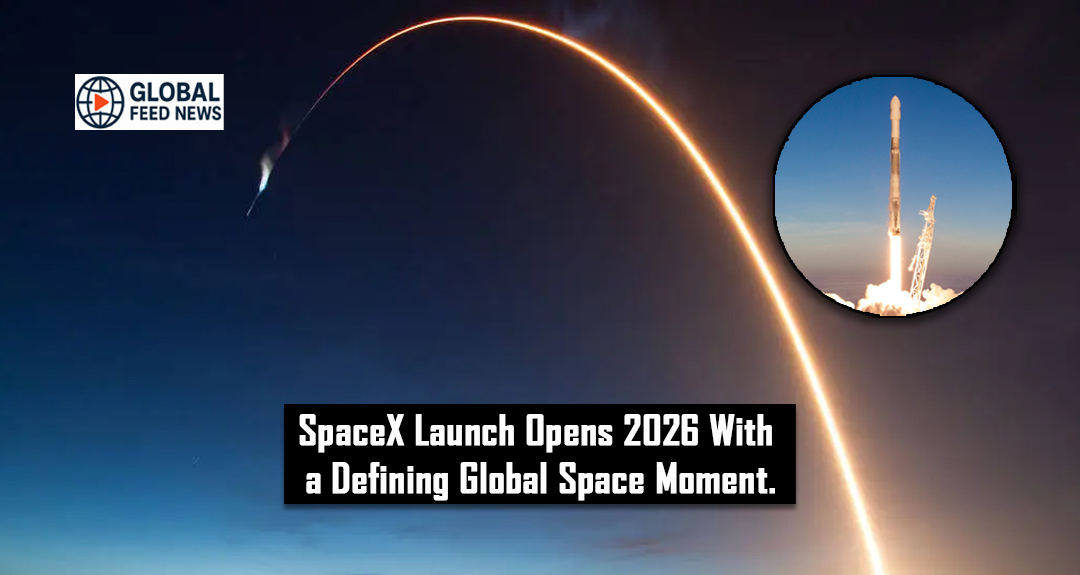
The first major Spacex Launch of 2026 did more than send a satellite into orbit. It signaled how deeply commercial spaceflight is now tied to national security, climate monitoring, and the global economy.
In the early hours of January 2, a Falcon 9 rocket lifted off from California’s Vandenberg Space Force Base, carrying a next-generation Earth-observation satellite for Italy. The flawless ascent capped years of international cooperation and once again highlighted why SpaceX Launch has become the most reliable launch provider on the planet.
This mission matters not only to scientists and defense planners, but also to investors, policymakers, and everyday observers watching the space economy expand at record speed.
Table of Contents
What Happened During the Latest Launch
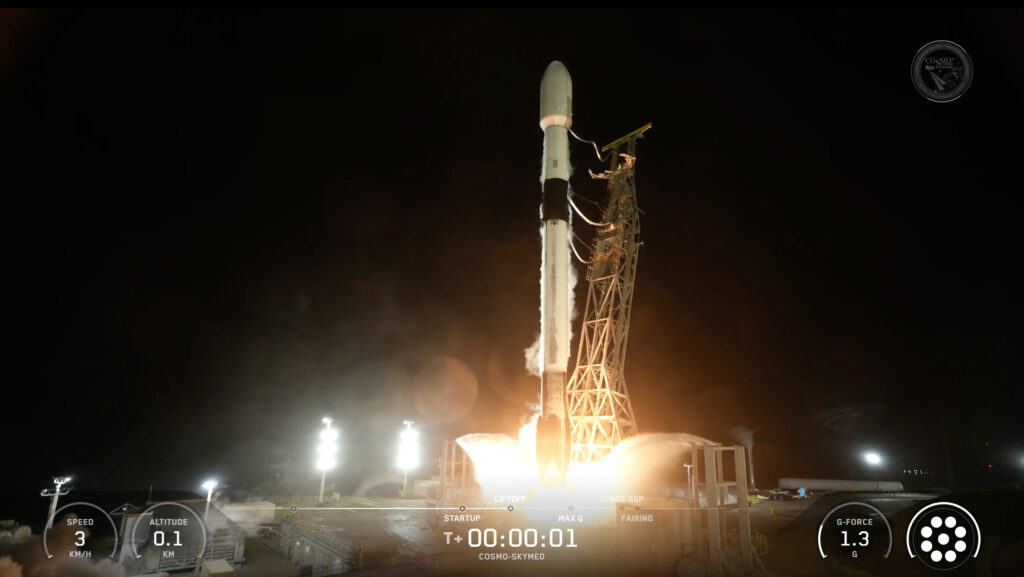
The mission launched aboard a Falcon 9 rocket operated by Spacex Launch, carrying a COSMO-SkyMed Second Generation satellite into a sun-synchronous orbit.
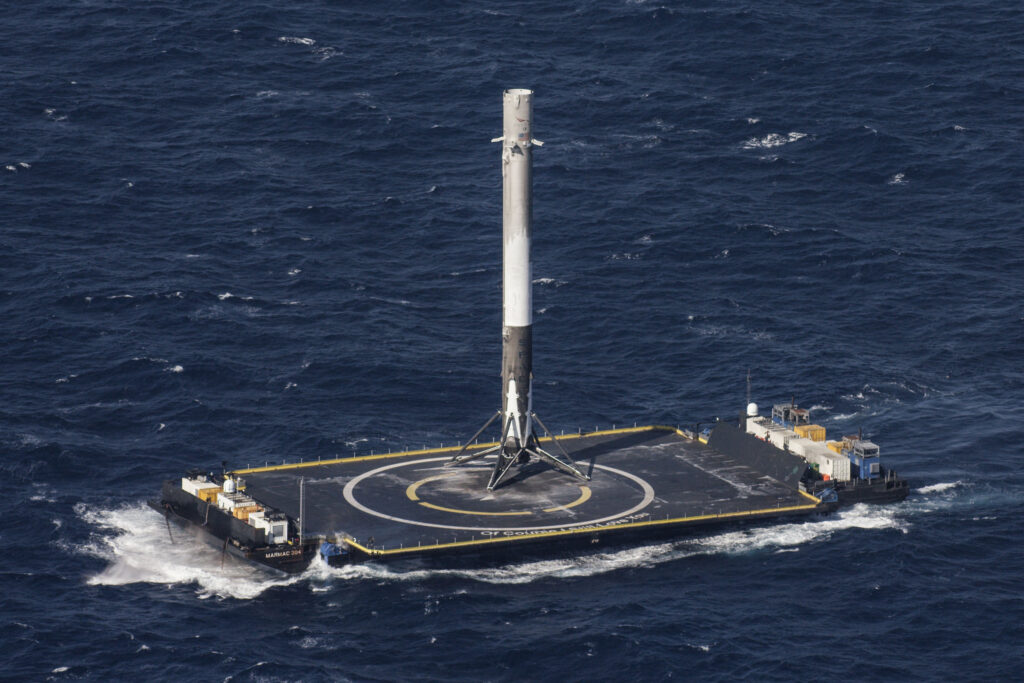
Liftoff occurred from Vandenberg Space Force Base, a site increasingly used for polar and Earth-observation missions. Minutes after launch, the first stage booster separated cleanly and later landed on a droneship in the Pacific Ocean.
From ignition to orbital insertion, the flight went exactly as planned.
For Italy, this marked a major upgrade to its space-based radar capabilities. For SpaceX Launch, it was another demonstration of precision, speed, and reusability.
Why This News Matters
This event is not just another rocket launch.
It affects:
- National security, through advanced surveillance capabilities
- Climate science, by improving Earth-monitoring accuracy
- Global markets, by strengthening confidence in commercial launch systems
- International partnerships, especially between Europe and U.S. space firms
Earth-observation satellites like this one help track wildfires, floods, deforestation, and military activity. In an era of rising geopolitical tension, such data is invaluable.
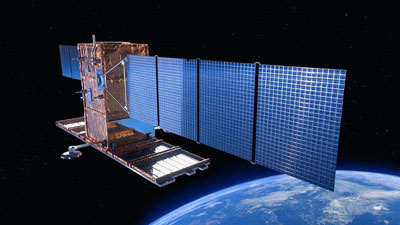
Inside the COSMO-SkyMed Second Generation Satellite
COSMO-SkyMed satellites use Synthetic Aperture Radar (SAR), allowing them to see through clouds and operate day or night.
This second-generation platform offers:
- Higher resolution imaging
- Faster data delivery
- Improved accuracy for civil and defense use
Italy’s space agency and defense ministry rely on this system for disaster response, maritime monitoring, and border security. International partners, including NATO members, also benefit from shared data access.
This makes the launch strategically significant far beyond Italy’s borders.
The Strategic Role of Falcon 9
The mission was powered by Falcon 9, a workhorse rocket that has redefined the economics of spaceflight.
Key advantages include:
- Reusable first stages
- Lower launch costs
- Rapid turnaround times
These features allow governments to deploy satellites faster and cheaper than ever before. That efficiency is one reason Spacex Launch dominates the global launch market.
Vandenberg’s Growing Importance
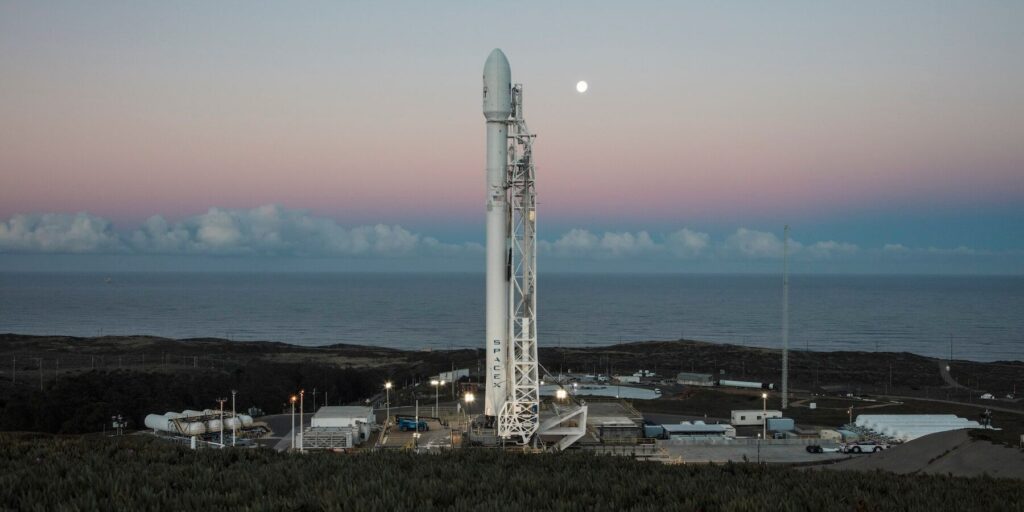
Vandenberg has quietly become one of the world’s most important spaceports.
Unlike Florida’s Cape Canaveral, it supports polar and sun-synchronous orbits, ideal for Earth-observation missions. This makes it critical for:
- Weather satellites
- Intelligence platforms
- Environmental monitoring
California residents often witness dramatic night launches, turning the base into a visible symbol of America’s space leadership.
Economic and Market Impact
Every successful launch strengthens confidence in the commercial space sector.
From an economic perspective:
- Space insurance costs drop with reliable launch providers
- Governments reduce spending through competitive contracts
- Private investment flows into satellite and data startups
According to industry analysts, Earth-observation data alone could become a multi-billion-dollar market by the end of the decade.
For investors, consistency matters. SpaceX’s performance continues to reassure markets that space infrastructure is no longer experimental—it’s operational.
SpaceX’s Track Record and Reliability
Since its first Falcon 9 launch in 2010, Spacex Launch has steadily improved reliability.
Key milestones include:
- Dozens of consecutive successful missions
- Routine booster reuse
- Rapid launch cadence unmatched by competitors
This consistency is why governments trust SpaceX Launch with sensitive payloads. In a high-stakes industry, reputation is everything.
Expert Insights on Earth Observation
Space policy experts note that radar satellites are becoming increasingly vital.
One aerospace analyst explained that SAR systems provide “persistent awareness” in a world facing climate instability and security risks. Unlike optical satellites, radar platforms are not limited by weather or daylight.
This capability gives governments an edge in crisis response and strategic planning.
What Comes Next for SpaceX in 2026
This mission is just the opening chapter of a busy year.
Upcoming plans include:
- Multiple Starlink deployments
- National security launches
- Test flights of next-generation systems
Each success builds momentum. As launch frequency increases, costs continue to fall, opening space access to more countries and organizations.
Long-Term Implications for Global Security
Space is no longer a distant frontier.
It is now:
- A critical infrastructure layer
- A strategic defense domain
- An economic growth engine
Earth-observation satellites will shape how governments respond to disasters, manage borders, and understand environmental change.
This launch reinforces a clear message: space capabilities are becoming essential tools of modern governance.
Conclusion
The first Spacex Launch of 2026 was not about spectacle alone. It represented trust, technological maturity, and the growing role of private companies in global security and science.
As satellites become more advanced and launches more routine, the line between space and daily life continues to blur. What happens hundreds of miles above Earth increasingly shapes decisions made on the ground.
And this mission shows that the future of space is already here.
Frequently Asked Questions (FAQs)
What was the purpose of this launch?
The mission deployed an advanced Earth-observation satellite designed for environmental monitoring and security applications.
Why was Vandenberg chosen for the launch?
Its location supports polar orbits ideal for Earth-observation satellites.
Is Falcon 9 reusable?
Yes. Its first stage is designed to land and fly again, reducing costs.
Who benefits from COSMO-SkyMed data?
Government agencies, scientists, emergency responders, and international partners.
What does this mean for the space industry?
It reinforces confidence in commercial launch providers and accelerates space-based services growth.