
Table of Contents
Introduction.
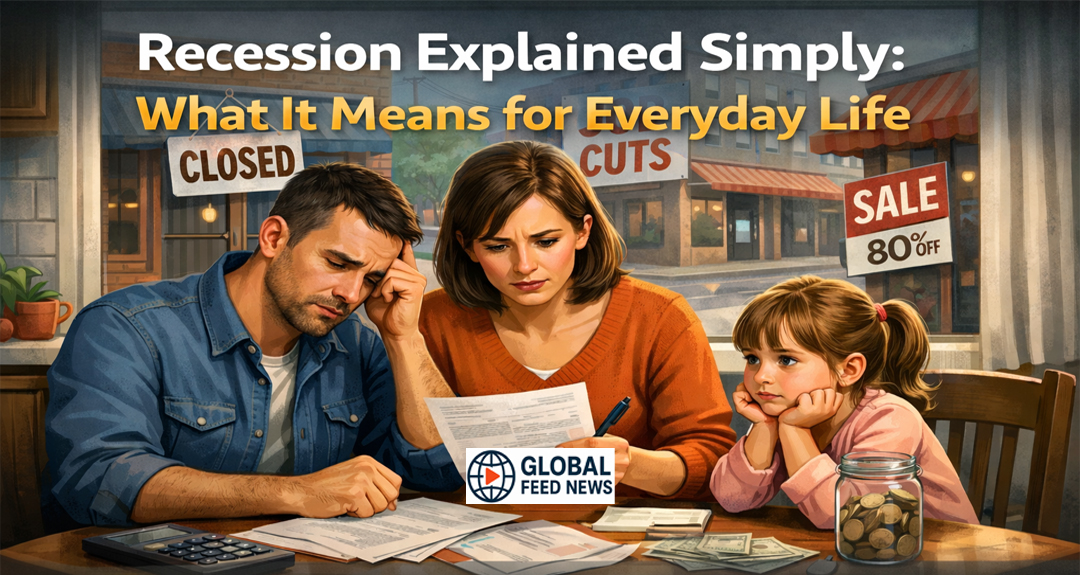
You don’t have to watch the business news to sense that something is wrong with the economy.
Prices may remain high, but your salary does not change. A neighbor loses his job. A local shop closes earlier than usual. People start spending less and worrying more.
That quiet, uneasy phase often points to one thing: depression.
This article explains the recession in plain English – no technical language, no panic. A clear, honest look at what a recession is, why it happens, and how it affects ordinary life.
What is a recession?
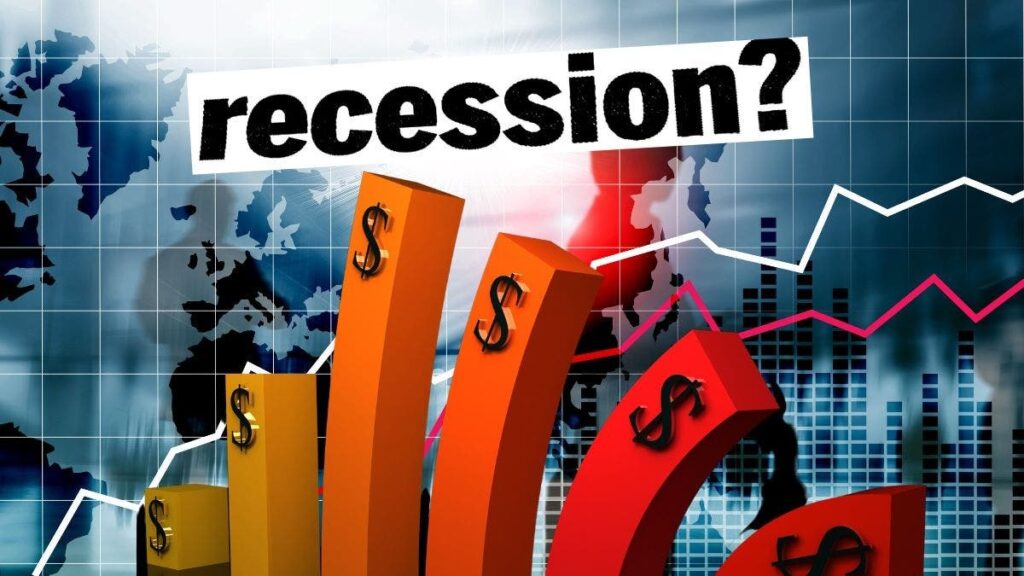
In simple terms, a recession means when a country’s economy slows down for a long period of time.
During a recession:
- Businesses make less money
- Fewer jobs are created
- Some people lose their jobs or work fewer hours
- Overall spending decreases
So if you’re asking what a recession is, think of it as a long economic “slowdown” where money changes hands more carefully.
How does a recession happen.
A recession doesn’t happen overnight. It happens slowly.
Here’s a simple way to understand it:
1.People start spending less
This can happen because prices rise, incomes fall, or uncertainty increases.
2.Businesses lose sales
When customers cut back, companies earn less.
3.Companies cut costs
recruitment slows. The break is longer. Some jobs are cut.
4.Income falls, spending falls further
This creates a cycle where the recession feeds itself.
That cycle is how recessions take shape – slowly, quietly, and across many industries.
Common Signs of a Recession.
A recession doesn’t come with warning sirens, but there are familiar signs:
- Jobs become harder to find
- Layoffs make regular headlines
- Wage growth slows or stops
- Small businesses struggle or close
- People delay major purchases like cars or homes
Personally, this seems unrelated. Together, they paint a clear picture of an economic downturn.
How the recession affects ordinary people.
This is where the description of the recession matters most – at the household level.
Jobs and Income
- Hiring freezes become common
- Temporary or contract workers face uncertainty
- Overtime and bonuses may disappear
Daily expenses
- Families prioritize essentials
- Cut non-essentials
- Budgets tighten
Emotional impact
- Financial stress increases
- Career decisions feel risky
- Confidence about the future weakens
Even those who keep their jobs often feel pressured. The recession not only affects bank accounts, but also peace of mind.
Are recession and financial crisis the same?
No, they are related but not the same.
A recession is a slowdown in economic activity.
A financial crisis is a breakdown in the financial system, such as when banks or credit markets fail.
Think of it this way:
- A recession is like a long winter
- A financial crisis is like a sudden storm
A recession can happen without a financial crisis, and vice versa. Sometimes they overlap with each other, but they are separate situations.
How long does a recession usually last?
There is no fixed timeline.
Some recessions last:
- A few months
- About a year
- Sometimes longer
The most important thing is not the exact duration, but how deeply it affects jobs, incomes, and confidence. Recovery usually begins gradually, with gradual improvement rather than sudden change.
How governments deal with recessions.
Governments don’t sit idly by during a recession.
Common approaches include:
- Increasing public spending to support jobs
- Reducing taxes to help people maintain higher incomes
- Supporting distressed industries
- Encouraging banks to continue lending
These measures are intended to restart spending, restore confidence, and stabilize employment. Results take time to come, but the goal is to ease the impact on daily life.
How Individuals Can Prepare for a Recession.
It’s not about fear – it’s about awareness.
Simple, practical habits can help:
- Have a basic emergency fund if possible
- Avoid unnecessary debt
- Focus on job skills and education
- Track monthly expenses clearly
Preparation doesn’t mean expecting the worst. It means staying flexible and informed when situations change.
Why Understanding Recessions Is Important Today.
Many people hear the word “recession” and are put off by it because it sounds distant or technical.
But understanding how recessions affect people can help you:
- Make calm financial decisions
- Identify economic changes early
- Avoid panic induced by headlines
Knowledge replaces fear. When you understand the basics, economic downturns seem less mysterious and more manageable.
Frequently Asked Questions (FAQs).
Is a recession bad for everyone?
Not equally. Some people feel strong effects, others barely notice. Impact depends on job stability, savings, and expenses.
Does a recession mean prices always fall?
Not necessarily. Some prices may stay high even when incomes slow down.
Can a country recover from a recession?
Yes. Recessions are temporary phases, not permanent conditions.
Should people stop spending completely during a recession?
No. Careful spending is wise, but complete withdrawal can worsen economic slowdown.
Are recessions predictable?
They are easier to understand in hindsight than to predict in advance.
1 thought on “What Is a Recession and How Does It Affect Ordinary People? Explained Simply”