

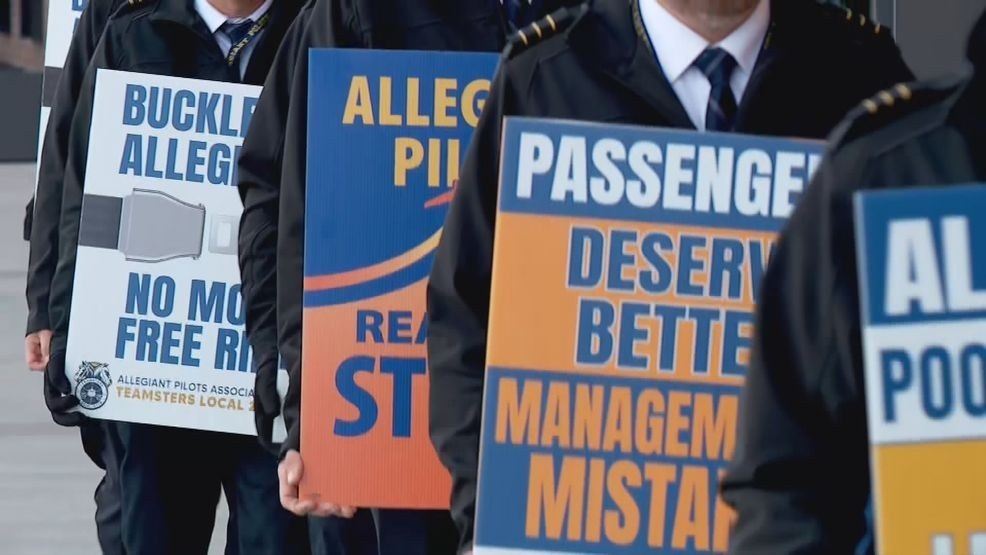
In a synchronized and powerful display of unified labor action, Allegiant Air pilots—the essential frontline workers fueling one of the fastest-growing low-cost carriers in the United States—have taken their decade-long battle for a new labor contract to the streets. Across key operational hubs, from the asphalt of Des Moines International Airport (DSM) in Iowa to the busy terminals of Asheville Regional Airport (AVL) in North Carolina and McGhee Tyson Airport (TYS) in Knoxville, Tennessee, hundreds of pilots have participated in system-wide informational picketing.
This collective action, organized by the Airline Pilots Association, International (ALPA), is a stark signal that the pilots have reached a breaking point, demanding a new, industry-standard contract after years of what they describe as working under a severely outdated, sub-par agreement. The widespread protests aim to pressure Allegiant Air management to accelerate talks and deliver an agreement commensurate with the carrier’s soaring profits and the current industry compensation environment.
The Paradox of Growth: Success Without Shared Prosperity
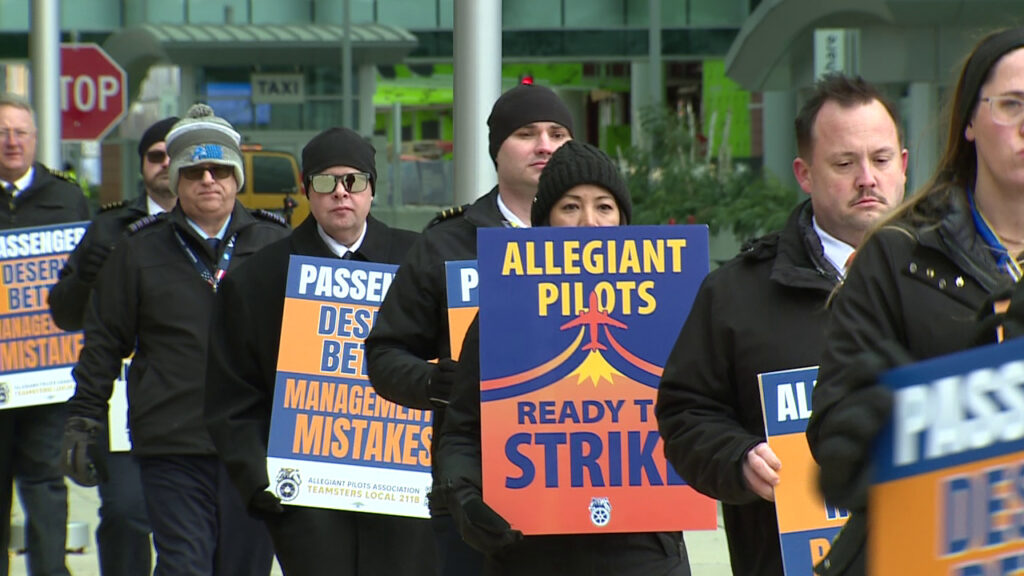
The crisis at Allegiant Air is not a sudden flare-up but the culmination of a protracted struggle that dates back nearly a decade. For the better part of the last ten years, Allegiant Air pilots have operated under the terms of their initial, foundational contract, which was first negotiated around 2013 and officially ratified in 2016. While that agreement marked a historical milestone for the then-fledgling airline and its newly represented pilot group, the subsequent passage of time, combined with a dramatic surge in pilot demand and substantial pay increases across the entire industry, has left the Allegiant pilot group significantly behind their peers at other major and even regional carriers.
The core of the dispute lies in a fundamental paradox: Allegiant Air has enjoyed enormous, sustained success. The airline has meticulously carved out a profitable niche, focusing on underserved, non-hub airports and operating a lean, efficient business model. This strategy has resulted in consistent growth, positioning Allegiant Air as a key player in domestic leisure travel and one of the most consistently profitable airlines in the US. The pilots themselves have been instrumental in executing this expansion, flying the routes and ensuring the operational reliability that defines the carrier’s reputation.
However, pilots assert emphatically that their compensation and working conditions have not kept pace with the airline’s financial performance or its rapid expansion. According to ALPA representatives speaking at the various picket lines, Allegiant Air pilots currently endure compensation packages that are well below the industry average, often lagging 30% to 50% behind their counterparts at other budget airlines like Spirit and Frontier, let alone major carriers.
This economic disparity has created a significant talent retention crisis for the airline. In a high-demand labor market where major carriers are aggressively recruiting, Allegiant Air has become, by necessity, a training ground. Pilots gain invaluable experience only to quickly “flow-out” or jump ship to airlines offering vastly superior pay, more robust retirement benefits, and significantly better quality-of-life provisions.
“We want to be recognized for the value we bring to this airline,” stated Captain Alex Chen, a spokesperson for the ALPA Allegiant Air Master Executive Council (MEC), during the Des Moines picket. “Allegiant Air is thriving, yet we are being asked to operate under a decade-old contract that no longer reflects the current market value of our profession. We are asking for industry-standard pay, better quality of life, and better scheduling—the same things pilots at every other major airline have achieved in the last two years. Our fight is not just for fair wages; it’s for the operational stability of Allegiant Air itself.”
This constant attrition not only destabilizes the pilot ranks but also creates a persistent operational challenge for the airline, hindering its long-term growth and efficiency. By demanding a contract that makes Allegiant Air a competitive employer, the pilots are arguing that they are, in effect, fighting for the long-term health and reliability of the company.
A Decade of Negotiation and the NMB Logjam
The current frustration stems largely from the stalled negotiation timeline under the auspices of the National Mediation Board (NMB). Since filing their Section 6 Notice—the formal request to open contract negotiations—the process has been mired in what pilots call “endless bargaining.”
The initial contract, ratified in 2016, contained provisions that, while beneficial at the time, quickly became obsolete as the airline industry experienced unprecedented consolidation and the COVID-19 pandemic dramatically shifted the labor landscape, creating an acute, global pilot shortage. When the NMB process began, Allegiant Air pilots hoped for a swift modernization of the agreement. Instead, they were met with years of slow, incremental progress.
Mediation under the NMB is designed to facilitate consensus but can, in practice, become a protracted bottleneck. The process is governed by the Railway Labor Act (RLA), which restricts the ability of airline labor groups to strike until a highly specific, government-mandated release process is completed. This restriction gives management significant leverage to prolong negotiations, a tactic that pilots argue Allegiant Air has exploited.
The recent picketing is a necessary show of force to break this logjam. It signals to the federal mediators that the pilots are prepared to escalate their actions if the talks do not rapidly move toward an acceptable resolution. The visibility of the protests—at airports across the country, from Iowa to North Carolina and Tennessee—is intended to put public pressure on both management and the NMB to expedite the final stages of the process.
The Specific Demands: What Constitutes an ‘Industry-Standard’ Contract?
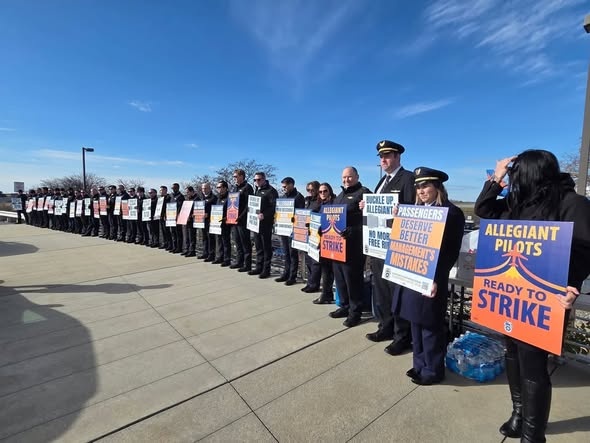
The pilots’ demands are specific and reflect the major gains made by their counterparts across the industry, particularly following landmark contract victories at Delta and United Airlines. “Industry-standard” is a quantifiable term that addresses three main areas: Compensation, Retirement, and Quality of Life (QOL).
1. Compensation Parity:
Allegiant Air pilots are pushing for significant hourly rate increases to match the new market baseline. This includes Captain pay rates that should be competitive with major low-cost rivals. While specific numbers are confidential during talks, external analysis suggests Captains should be earning in excess of $300 per hour, depending on aircraft type and tenure, a figure far exceeding their current rates. They also demand better pay for training and non-flying duties.
2. Retirement Security:
A critical point of contention is retirement. Many Allegiant Air pilots rely on a defined contribution plan (like a 401k). The new demand is for a vastly improved company match and, significantly, a defined benefit or pension-style plan component, which is standard at many legacy carriers. This shift addresses the long-term financial security that pilots forego when working under an outdated contract.
3. Quality of Life and Scheduling:
For a leisure-focused airline like Allegiant Air, schedules are often irregular, including frequent weekend and holiday flying. The pilots demand contractual improvements in scheduling, including:
- Better Reserve Rules: Predictable and reliable reserve assignments.
- Trip Rigging: Contractual minimum pay guarantees for days spent away from home, ensuring fair compensation regardless of flight hour fluctuations.
- Increased Days Off: A schedule structure that allows for more personal time, mitigating the fatigue and burnout associated with the demanding schedule of a budget carrier.
The picketing in Asheville and Knoxville particularly emphasized the QOL aspects, where pilots explained to passengers and the press how operational inefficiencies—often tied to the pilot shortage—can lead to excessive duty days and schedule disruptions that strain their personal lives.
The Competitive Landscape and the “Brain Drain”
The failure to offer a competitive contract has created a severe “brain drain” at Allegiant Air. The airline invests heavily in training new pilots, only to see them leave for better contracts after gaining a few years of jet experience.
Consider the recent landscape: Spirit Airlines and Frontier Airlines, Allegiant’s direct low-cost competitors, have recently seen significant contract improvements, increasing their pilot retention and recruitment appeal. Allegiant Air, by holding onto its outdated economic model for labor, has placed itself at a severe disadvantage. This attrition of experienced pilots has tangible consequences, potentially impacting operational reliability and, in the long term, could be argued to affect the safety margins the airline strives to maintain. An exhausted, disgruntled, or perpetually new pilot corps is simply not as stable or efficient as an experienced, well-compensated, and loyal one.
“When you have pilots leaving every month for other carriers, the institutional knowledge walks out the door with them,” commented an aviation analyst tracking the dispute. “Allegiant Air is losing money on training and is constantly backfilling positions. A higher labor cost today is cheaper than the constant, grinding operational cost of perpetual turnover tomorrow.”
Management’s Dilemma: Cost Advantage vs. Labor Peace
Allegiant Air management faces a profound financial dilemma. The entire Allegiant business model is predicated on maintaining a significantly lower operational cost structure than its rivals. Accepting the pilots’ full demands would necessitate a substantial increase in labor expenses, potentially eroding the company’s competitive edge and impacting shareholder returns.
In their public statements, Allegiant Air has maintained that the demonstrations have had no material impact on flight operations or service reliability, and they reiterate a commitment to reaching a fair and competitive contract. Management’s strategy appears to be a careful balancing act: offer enough to prevent the NMB from declaring an impasse and releasing the parties into a cooling-off period (which precedes a legal strike), but hold firm against demands that fundamentally alter the company’s cost base.
However, the cost of not settling is now becoming too high. The negative publicity from system-wide picketing is a direct threat to the company’s reputation, especially for a leisure airline that depends on public goodwill. Furthermore, the risk of informal actions, such as coordinated “sick-outs” or work-to-rule campaigns (which fall short of a full strike but cripple operations), looms large if management is perceived as negotiating in bad faith.
The Outlook: Escalation is Inevitable Without Resolution
The informational picketing marks a critical and deliberate escalation of the dispute. While the actions are not an official strike—pilots remain on the job and flight schedules are unaffected—they serve as a loud, public warning. It is a necessary step to highlight to the National Mediation Board, the traveling public, and, most importantly, Allegiant shareholders and management, that the status quo is unsustainable.
The resolution of this decade-long contract dispute will be a defining moment for Allegiant Air. It will determine whether the airline can successfully transition from an opportunistic, low-cost startup to a stable, long-term industry player capable of retaining a world-class pilot workforce. The pressure is mounting across Des Moines, Asheville, and Knoxville. The time for deliberation has run out. The pilots have made it unequivocally clear that only an industry-leading agreement, one that recognizes their professionalism and contribution to the airline’s success, will bring an end to this long and bitter standoff.