
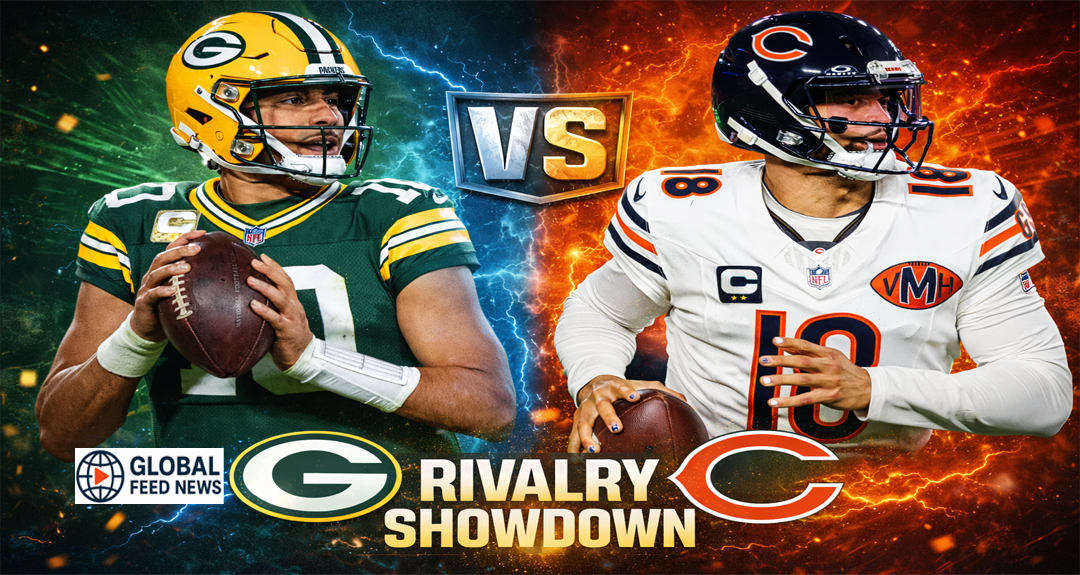
The Chicago Bears are once again at the center of the NFL conversation—but not for the reasons fans were hoping for.
A brutal postseason loss to their oldest rival has triggered what many analysts now call a major warning moment for the franchise. The defeat did more than end a playoff run. It exposed deep structural issues that could shape Chicago’s future for years.
This wasn’t just another loss. It was a reminder of where the team stands—and how far it still has to go.
Table of Contents
1. The Game That Sparked Alarm
Chicago entered the NFC Wild Card matchup with momentum, confidence, and belief.
They left with none of it.
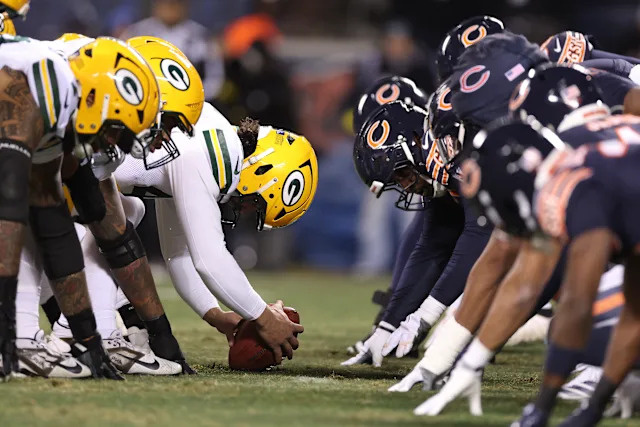
Facing the Green Bay Packers, Chicago was overwhelmed early, trailing badly before halftime. The energy vanished from the sideline, and the outcome felt inevitable long before the final whistle.
Rivalry games are supposed to be unpredictable. This one wasn’t.
2. Why This Loss Matters More Than the Score
Blowout losses happen. What makes this one different is what it revealed.
This game exposed:
- Lack of playoff-ready depth
- Predictable offensive schemes
- Defensive fatigue
- Poor in-game adjustments
For the Chicago Bears, the concern isn’t just losing—it’s how easily it happened on the biggest stage.
That’s the warning sign.
3. A Rivalry With Unequal Results
The Bears–Packers rivalry is one of the most historic in American sports.
But history hasn’t been kind lately.
Over the last decade, Green Bay has dominated key matchups, especially when the stakes are highest. This playoff meeting only widened that gap and reinforced a hard truth: Chicago is still chasing stability while their rival reloads.
That imbalance matters—not just emotionally, but competitively.
4. First-Half Collapse: Where It Went Wrong
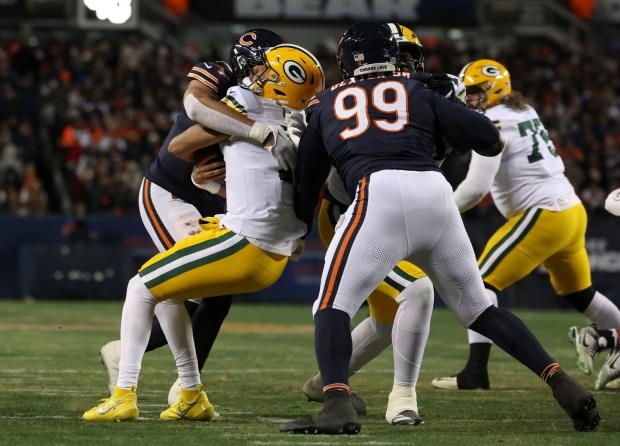
The game was effectively decided in the first half.
Chicago struggled with:
- Slow offensive starts
- Missed tackles
- Penalties on third down
- Defensive miscommunication
By halftime, the deficit felt insurmountable. According to coverage from Fox Sports, Green Bay controlled time of possession and dictated tempo from the opening drive.
That level of control is what elite teams do.
5. Coaching Decisions Under the Microscope
Playoff football magnifies every decision.
And this game raised uncomfortable questions.
From conservative play-calling to delayed adjustments, Chicago’s coaching staff looked outmatched. Analysts pointed out missed opportunities to change tempo, protect the quarterback, and pressure the opposing offense earlier.
In today’s NFL, adaptability isn’t optional—it’s survival.
6. Quarterback Questions and Offensive Limits
The quarterback position remains the most debated issue.
While flashes of brilliance exist, consistency under pressure remains elusive. Against an aggressive defense, Chicago’s offense struggled to stretch the field or sustain drives.
According to analysis shared by Yahoo Sports, the lack of explosive plays forced the offense into predictable patterns—exactly what playoff defenses want.
The question now isn’t talent. It’s development.
7. Defensive Breakdowns at the Worst Time
Chicago’s defense carried the team for much of the season.
But in this game, cracks showed.
Missed assignments, poor edge containment, and fatigue were evident. Once the opposition established the run, the Bears struggled to regain control.
Elite defenses respond after setbacks. This unit couldn’t.
That’s not a condemnation—but it is a concern.
8. Historical Context: A Familiar Pattern
This isn’t the first time Chicago has faced this moment.
Over the past 20 years, the franchise has experienced cycles:
- Short playoff runs
- Coaching resets
- Offensive overhauls
Each time, progress feels close—until it isn’t.
This loss fits a familiar pattern, one that fans and executives alike are desperate to break.
9. NFL and Market Reaction
The reaction across the league was swift.
Former players, analysts, and executives described the performance as “concerning” and “telling.” On sports radio and financial media, discussions quickly shifted from the game itself to what it means for future roster spending and leadership decisions.
From a business standpoint, playoff failures impact:
- Ticket demand
- Merchandise sales
- Sponsorship confidence
In the NFL, performance and economics are deeply connected.
10. What Happens Next for Chicago
The offseason will be critical.
Key areas to address:
- Offensive line depth
- Play-calling creativity
- Defensive speed
- Leadership continuity
Front-office decisions over the next six months could determine whether this warning leads to progress—or another reset.
11. Why This Moment Is a Turning Point
Every franchise has defining losses.
For Chicago, this could be one of them.
It’s a moment that forces honesty:
- Are current systems good enough?
- Is development happening fast enough?
- Is the vision aligned from top to bottom?
Ignoring these questions would be the real mistake.
12. Long-Term Outlook for the Franchise
Despite the disappointment, the future isn’t bleak.
Chicago has:
- A passionate fan base
- Valuable draft assets
- Financial flexibility
But optimism alone doesn’t win championships.
Execution does.
How the team responds to this warning will define the next era.
13. Final Thoughts
This loss wasn’t just painful—it was revealing.
The Bears now face a choice: treat this as another setback, or as the moment that finally sparks meaningful change.
The clock is ticking.
❓ Frequently Asked Questions (FAQ)
1. Why is this loss considered a major warning?
Because it exposed structural weaknesses that go beyond a single game.
2. Does this mean a rebuild is coming?
Not necessarily, but strategic changes are likely.
3. How does this affect the rivalry long-term?
It widens the gap unless Chicago responds decisively.
4. Are coaching changes expected?
Nothing is confirmed, but evaluations are underway.
5. Can the team bounce back next season?
Yes—but only with targeted improvements and accountability.