
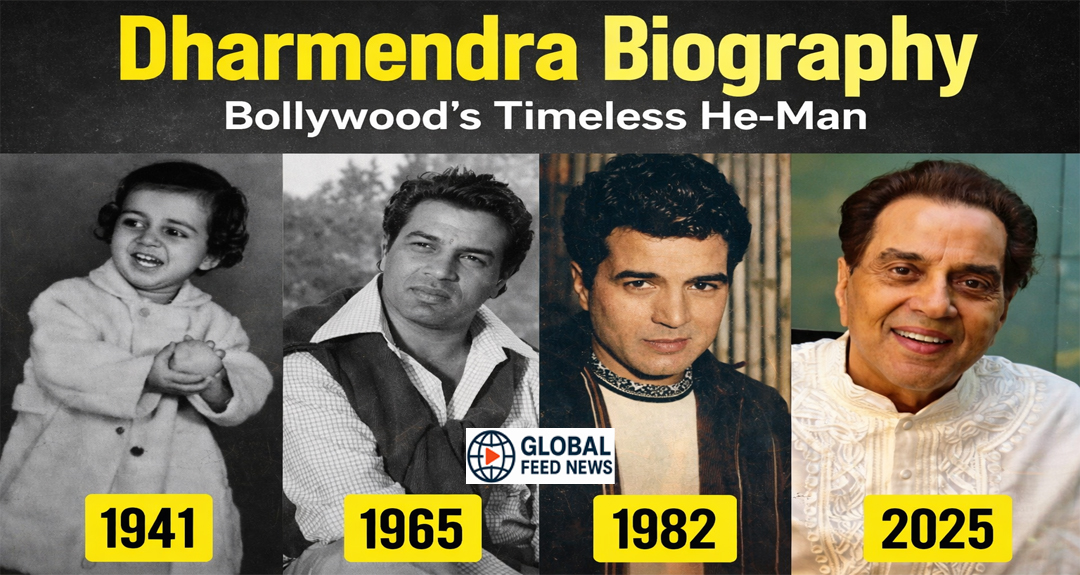
Few actors in Indian cinema have been able to combine power, romantic appeal and emotional depth as effortlessly as Dharmendra. For decades, he has been a familiar, reassuring presence on the big screen – someone who audiences instantly trust, admire, and root for. This is not just the story of a successful film star, but the story of a man whose journey reflects the evolving soul of Bollywood.
From village roots to superstardom, Dharmendra’s life reads like a classic Hindi film – grounded, dramatic and deeply human.
Table of Contents
Early life and background.
Dharmendra was born into an ordinary Punjabi family in rural Punjab, far from the glare of film studios and arc lights. His early years were shaped by simplicity, discipline and strong family values. Like many young people of his generation, he grew up watching films in awe, memorizing dialogues, and dreaming quietly – never knowing if those dreams would find a way.
Even then, his physical presence and natural confidence set him apart. He did not train in theater or cinema. His strength came from honesty. When he finally stepped into the movies, audiences felt he wasn’t “acting tough” or “pretending to be romantic.” That was it.
Entry into Bollywood.
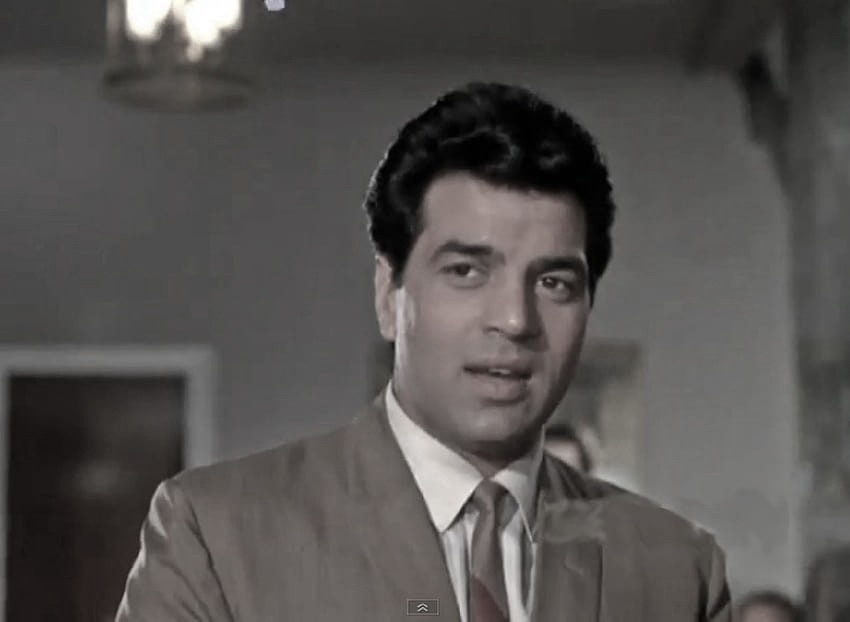
Dharmendra’s entry into Bollywood was not an overnight magic. It was earned. He initially gained attention after winning a talent competition that opened the doors to Hindi cinema. Some of his early roles were humble and experimental, allowing him to understand the mechanics of filmmaking and develop his screen persona.
The industry of that era was competitive and unforgiving. Yet Dharmendra’s honesty, attractive looks, and playful demeanor forced casting directors to take notice. Gradually, he began to move from supporting roles to more important roles – each film further honed his craft.
Success and major films.
The turning point in Dharmendra’s Bollywood career came when filmmakers recognized his rare dual appeal: he could convincingly play both the romantic hero and the action-driven rebel. This versatility became his signature.
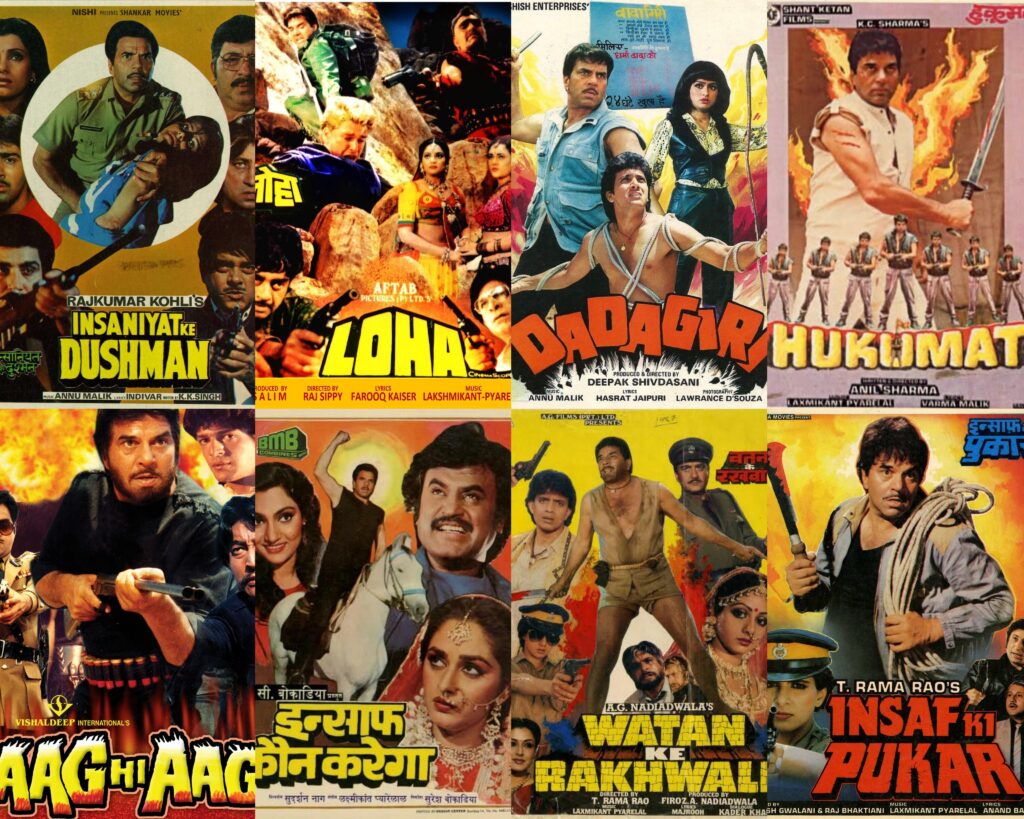
During the 1960s and 1970s, Dharmendra’s films dominated the box office. He starred in powerful action dramas, light-hearted romances, intense family sagas, and socially conscious films. His pairings with leading actresses of the time became iconic, and their on-screen chemistry often came across as easy rather than manufactured.
What really elevated their status was their consistency. In one film after another, Dharmendra gave performances that connected with everyday viewers – factory workers, farmers, students and families.
Awards and Achievements.
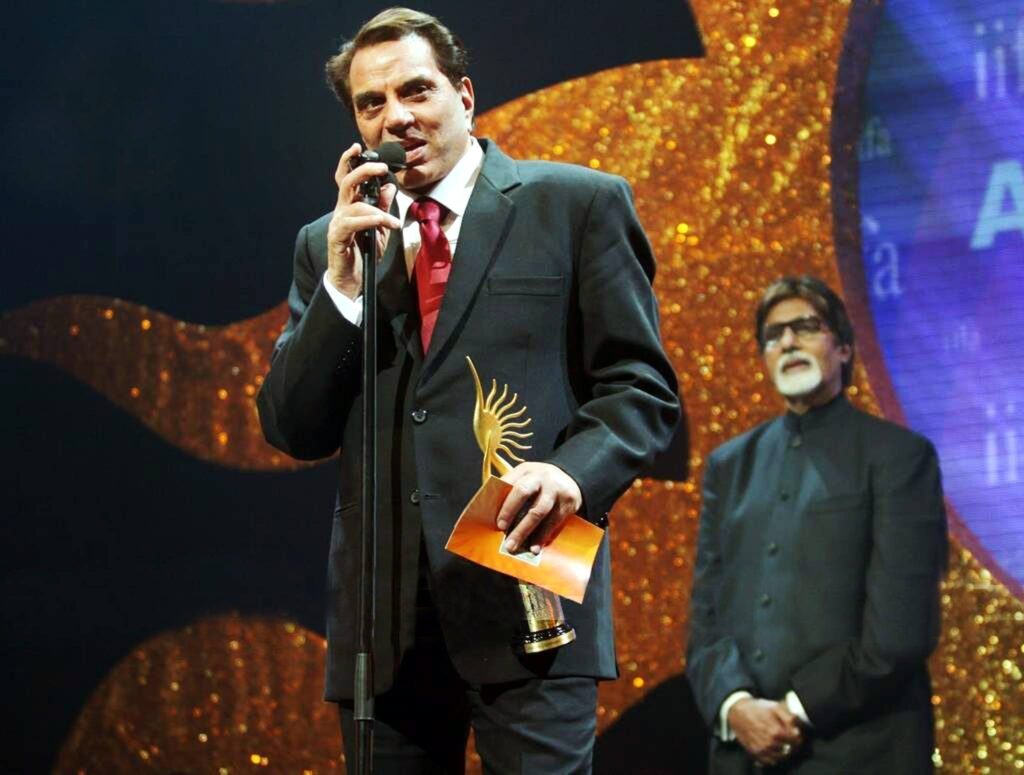
During a long and productive career, Dharmendra received numerous honours that recognized both his popularity and his contribution to Indian cinema. Besides formal awards, his greatest achievement has always been the loyalty of the audience. Generations of filmgoers have continued to celebrate his work even after the curtain has closed.
His recognition by national institutions confirmed what fans already knew: Dharmendra was not just a star of his time, but a cultural asset whose influence transcended box-office figures.
Contribution to Indian Cinema.
Dharmendra’s contribution to Indian cinema goes beyond acting. He helped redefine the image of the Hindi film hero. Before him, power was often depicted as loud or aggressive. Dharmendra brought a quiet power – a power balanced with compassion.
He also inspired the next generation of artists. Many later stars borrowed elements of his style: smooth delivery of dialogue, expressive eyes, and physical confidence without arrogance.
In a rapidly changing industry, his presence helped connect classic storytelling with the changing tastes of audiences.
Personal Life.
Away from the camera, Dharmendra has largely remained private and secretive. His personal life, while often discussed in public forums, always reflected traditional values and a strong sense of responsibility towards family.
Instead of cultivating mystery or controversy, they chose consistency – staying true to their roots and prioritizing relationships over headlines. Over time, this balance has quietly strengthened his public image.
Why Dharmendra is still relevant today.
In an age of instant fame and social media buzz, Dharmendra’s relevance feels refreshingly natural. His films are still seen on television, streaming platforms, and on family movie nights. Young audiences find it not through trends, but through timeless storytelling.
It’s a reminder that longevity in cinema comes from confidence, not from noise.
Legacy and Cultural Impact.
Dharmendra’s legacy is deeply woven into the fabric of Bollywood. It symbolizes an era when stars were made slowly, reputation mattered, and audience respect was earned film-by-film.
His journey inspires aspiring artists from small towns who believe that honesty, patience and hard work still have a place in Indian cinema. That trust may be his greatest gift to the industry.
Frequently Asked Questions (FAQs).
What is Dharmendra best known for?
Dharmendra is known for his versatile roles in action, romance, and drama, which has earned him the title of “He-Man” of Bollywood.
How long has Dharmendra been working in Bollywood?
Dharmendra’s Bollywood career spans several decades, making him one of the longest-serving actors in Indian cinema.
Are Dharmendra’s films still popular today?
Yes, his films are getting strong viewership numbers and are often re-watched by both old and young viewers.
What makes Dharmendra’s legacy unique?
His legacy lies in consistency, honesty, and emotional connection with audiences across generations.