
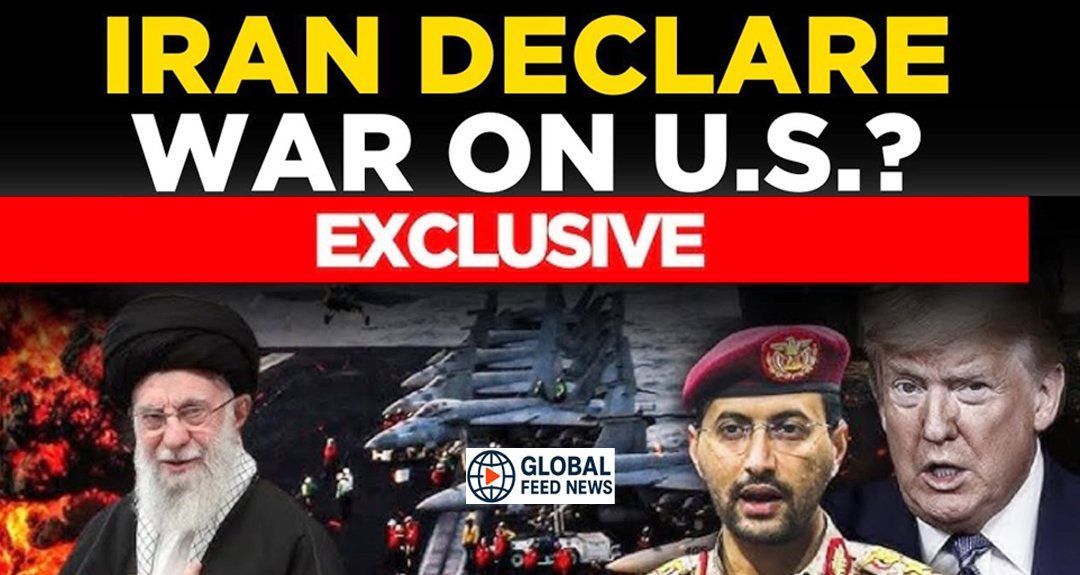
The phrase Iran Declared War has sent shockwaves across global capitals after a series of unusually direct statements from Tehran signaled a dramatic escalation in its confrontation with Western powers and Israel. While no formal declaration has been issued under international law, Iran’s leadership is now openly framing the standoff as a total war scenario—a move with profound geopolitical, economic, and security consequences.
This development marks one of the most serious moments in Middle East geopolitics in years, raising urgent questions about what comes next, who stands to be affected, and how global markets and ordinary citizens may feel the impact.
Table of Contents
1. What Triggered the “Iran Declared War” Narrative
The current alarm began after Iran’s president delivered a nationally televised address warning that the country is now confronting a comprehensive conflict involving the United States, Israel, and their European allies. The language used was far stronger than past rhetoric, framing the struggle as existential rather than diplomatic.
Although Iran has previously relied on strategic ambiguity, this time officials emphasized that military, economic, cyber, and intelligence fronts are all active. That framing is why analysts and media outlets quickly began using the phrase Iran Declared War, even in the absence of formal documentation.
2. Iran’s Leadership and the Shift in Rhetoric
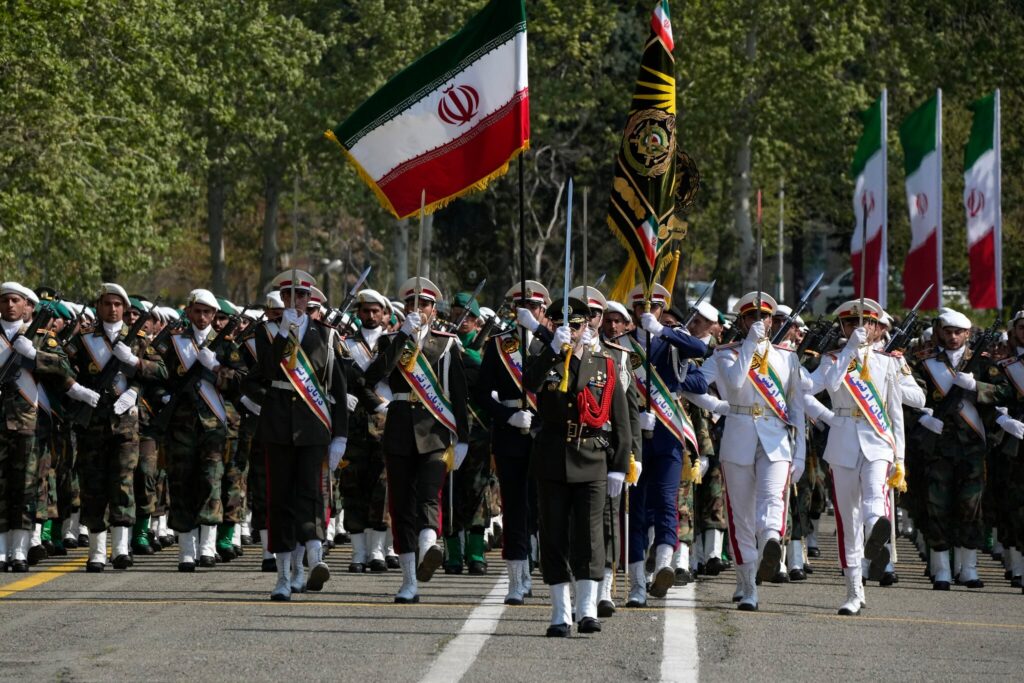
At the center of the escalation is Iran’s top leadership, including the president and senior commanders of the Islamic Revolutionary Guard Corps (IRGC). Their speeches have moved away from indirect warnings toward direct confrontation language.
This rhetorical shift suggests Iran believes deterrence now requires clarity rather than ambiguity. According to regional analysts, Tehran is attempting to signal resolve without firing the first large-scale shot.
This moment is critical because once leaders publicly commit to a “war footing,” backing down becomes politically costly at home.
3. Israel, the U.S., and the Expanding Conflict Web
Iran’s warnings were explicitly directed at Israel and the United States, accusing both of coordinating military and intelligence operations against Iranian interests.
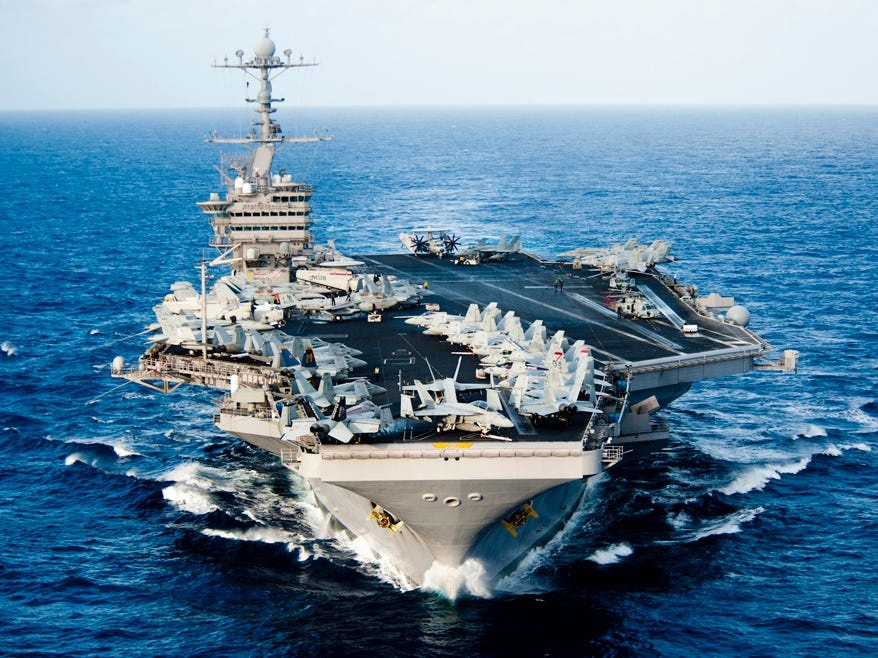
Israeli officials have responded cautiously, avoiding escalation while reaffirming their right to self-defense. Meanwhile, Washington has increased its naval presence in the Persian Gulf, signaling preparedness without announcing offensive intent.
Former U.S. President Donald Trump and Israeli Prime Minister Benjamin Netanyahu are also frequently referenced in Iranian messaging, highlighting how domestic politics and past policies still influence today’s crisis.
4. Historical Context: Why This Moment Is Different
Iran and the West have experienced decades of tension, sanctions, and proxy conflicts. However, previous crises were often buffered by diplomatic backchannels or nuclear negotiations.
What makes the current Iran Declared War narrative different is timing. The Middle East is already unstable due to conflicts in Gaza, Syria, Lebanon, and the Red Sea. Iran’s allies and adversaries are more militarized, and miscalculation risks are far higher.
This is not a single flashpoint—it is a region-wide pressure buildup.
5. Military Reality vs Political Messaging
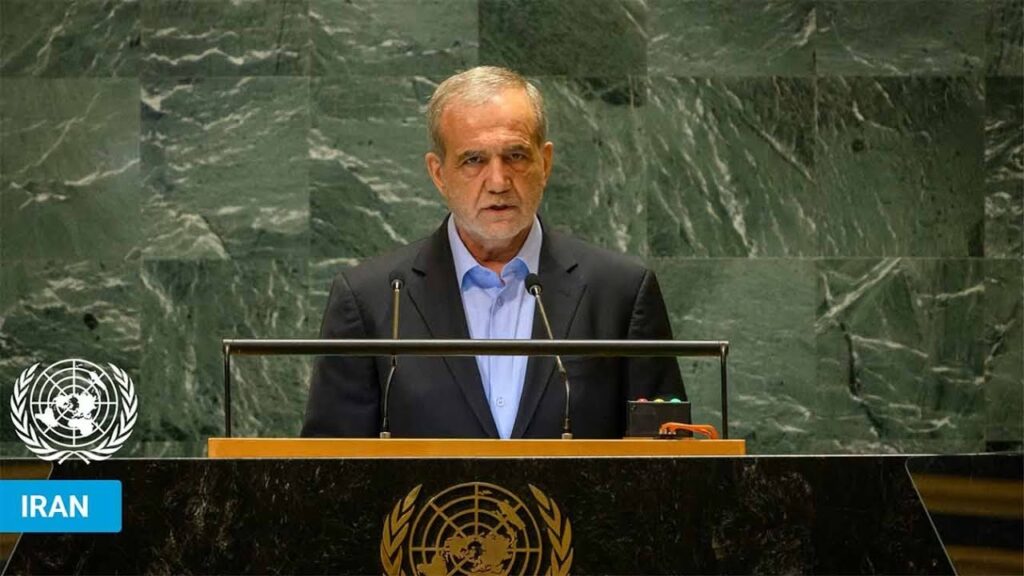
Despite the alarming tone, military analysts caution that rhetoric does not always equal imminent invasion. Iran has not mobilized its full conventional forces, nor has it issued evacuation orders or declared martial law nationwide.
Instead, Tehran appears focused on deterrence signaling—showing capability without triggering a direct clash. This includes missile tests, naval drills, and cyber operations.
Still, history shows that prolonged brinkmanship often ends badly.
6. Global Economic and Market Impact
Markets reacted swiftly to the Iran Declared War narrative. Global investors moved toward safe-haven assets such as gold and U.S. Treasury bonds. Equity markets in Asia and Europe showed increased volatility.
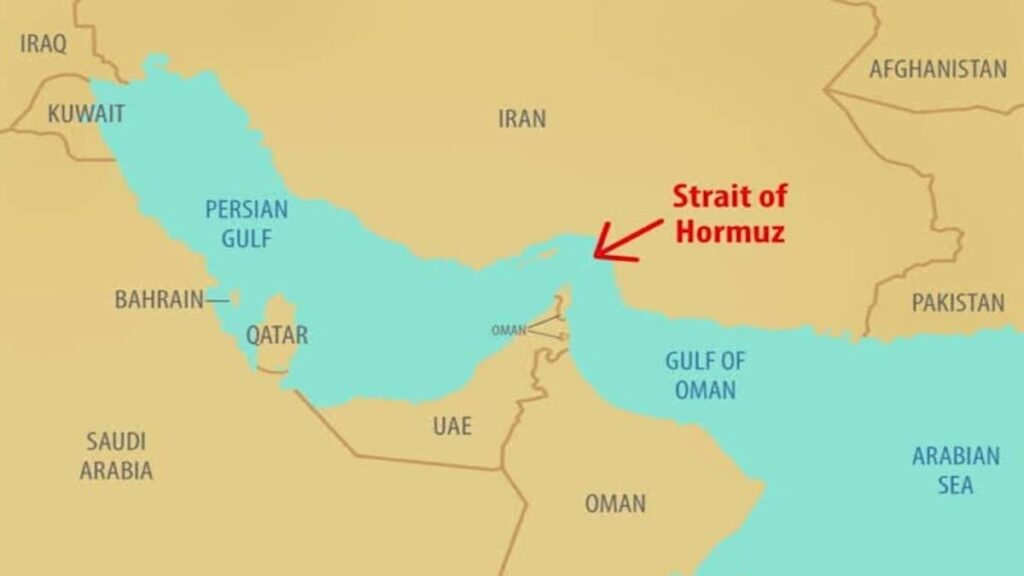
For multinational companies, the risk lies in disrupted shipping routes, especially through the Strait of Hormuz—a chokepoint for global trade.
Financial institutions are now revising risk models for Middle East exposure.
7. Energy, Oil Prices, and Inflation Risks
Energy markets are particularly sensitive. Even the perception of conflict involving Iran can drive oil prices higher.
Higher crude prices translate into:
- Rising fuel costs
- Increased transportation expenses
- Inflationary pressure on food and consumer goods
For developing economies, this could mean slower growth and higher living costs.
8. Regional Players and Proxy Fronts
Iran’s influence extends beyond its borders through allied groups in Lebanon, Syria, Iraq, and Yemen. Any escalation risks opening multiple fronts simultaneously.
This network strategy allows Iran to apply pressure without direct confrontation, but it also increases unpredictability. A single misstep by a proxy group could trigger a wider war.
9. What International Law Says
Under international law, a formal declaration of war is rare in modern conflicts. Most wars today begin through military action rather than legal announcements.
That is why the term Iran Declared War is more political than legal—but no less serious. International law focuses on actions, not words, and the actions so far suggest rising hostility even if thresholds have not yet been crossed.
10. Expert Analysis: What Happens Next
Security experts outline three likely scenarios:
- Controlled Escalation – Continued rhetoric and limited clashes
- Proxy Expansion – Increased activity by allied groups
- Direct Confrontation – Least likely, but most dangerous
Most analysts believe diplomacy still has a narrow window—though it is closing fast.
11. Why This Crisis Matters Globally
This is not just a Middle East issue. The Iran Declared War narrative affects:
- Global energy security
- International shipping
- Financial stability
- Nuclear non-proliferation efforts
In an interconnected world, regional wars rarely stay regional.
12. Conclusion
The phrase Iran Declared War reflects a dangerous shift in tone rather than a single legal act. Yet history shows that wars often begin with words long before bullets fly.
Whether this crisis ends in diplomacy or disaster depends on decisions made in the coming weeks. For now, the world is watching—and holding its breath.
❓ FAQs
Did Iran officially declare war?
No formal declaration under international law has been issued, but Iran has framed the conflict as a total war scenario
Who is Iran threatening?
Primarily Israel, the United States, and Western allies
Will oil prices rise further?
Analysts warn prices could spike if tensions disrupt shipping routes
Is a global war likely?
Direct global war is unlikely, but regional escalation risks are real.