
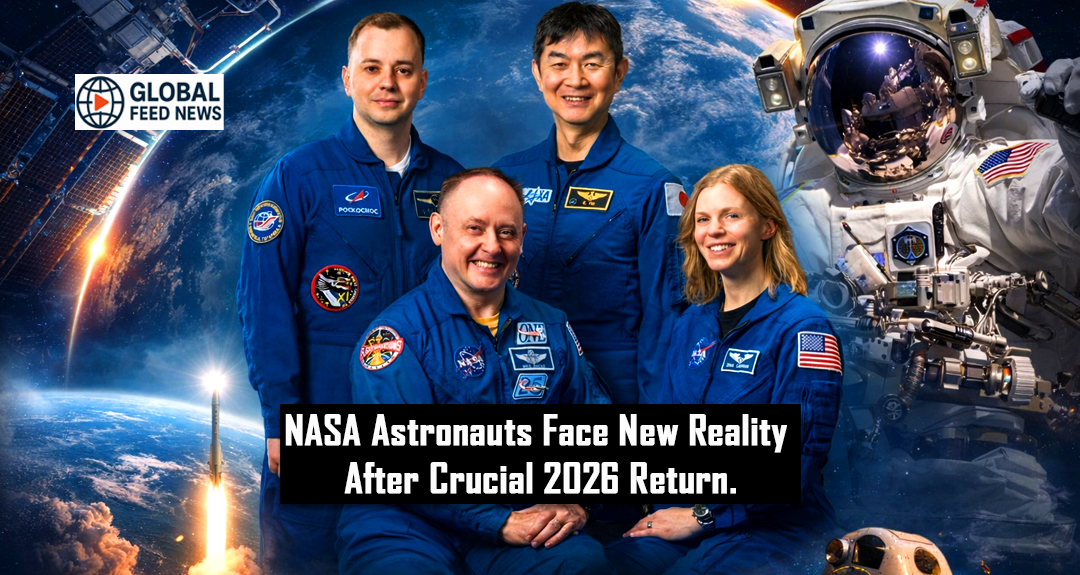
The safe return of NASA astronauts from orbit usually signals success.
This time, it signals something deeper.
In early 2026, a routine crew mission ended with unexpected medical concerns, technical scrutiny, and urgent questions about the future of human spaceflight. What initially looked like a smooth landing has now triggered intense reviews inside NASA and across the global space community.
This development is not just about one mission. It highlights the growing risks of long-duration space travel at a moment when agencies are preparing for Moon and Mars missions.
Table of Contents
Mission Overview: What Happened
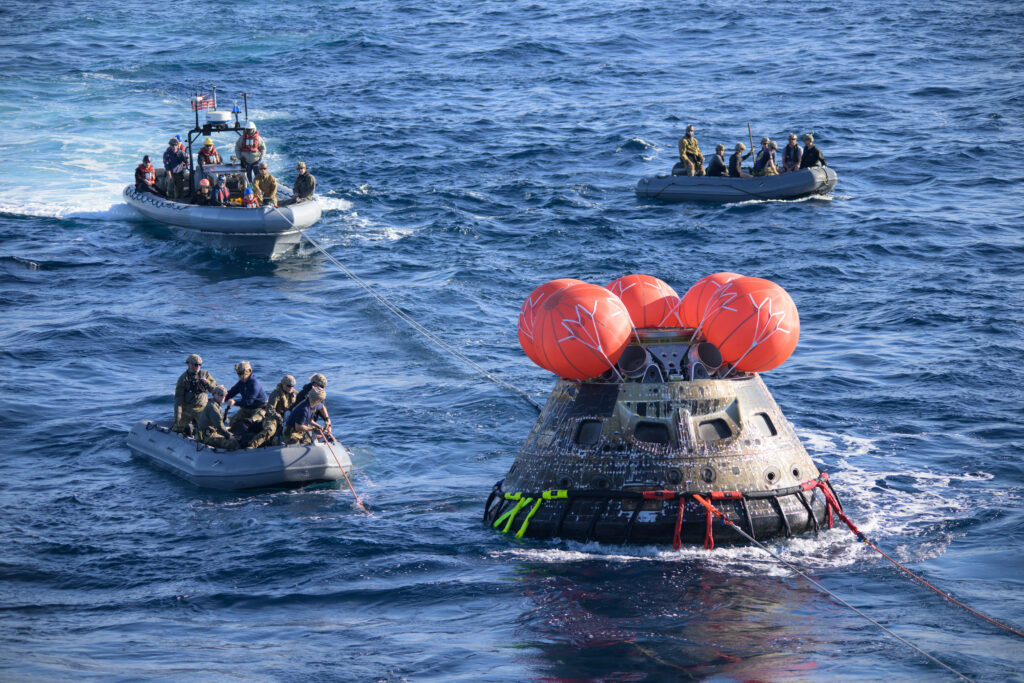
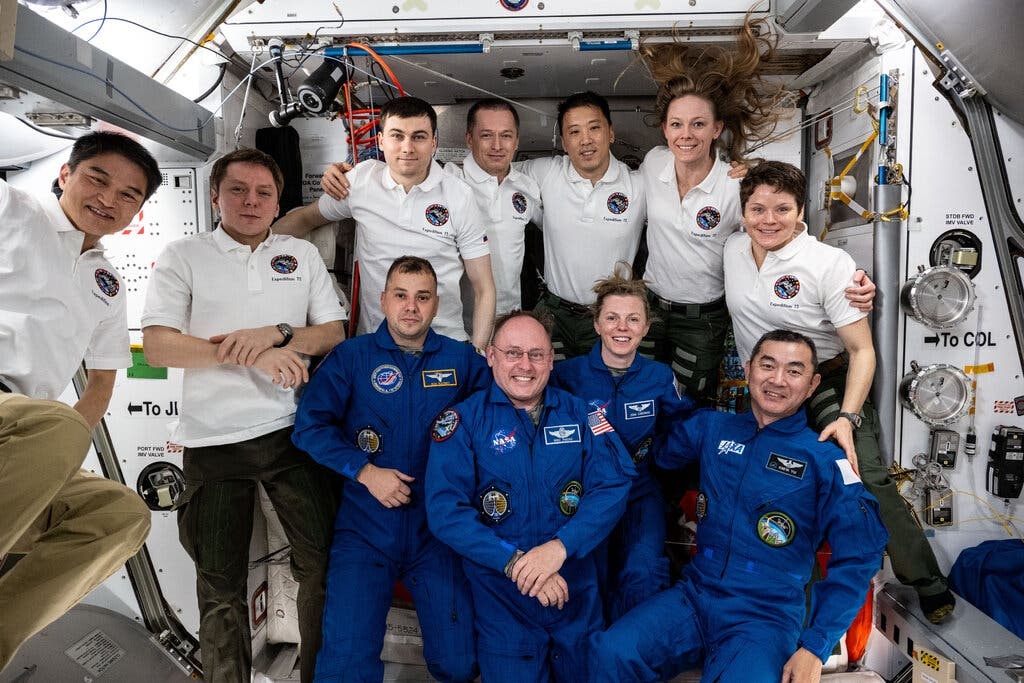
The NASA Astronauts returned to Earth after completing months aboard the International Space Station. Landing procedures followed standard protocol, and recovery teams responded immediately.
However, shortly after touchdown, medical teams identified irregular health indicators in one crew member. NASA confirmed the situation was not life-threatening, but serious enough to warrant further examination.
For NASA astronauts, post-mission medical checks are routine. What made this case notable was the speed and depth of NASA’s response.
Why This Return Is Different
Space agencies handle medical issues quietly when possible.
This time, NASA acknowledged concerns publicly.
That transparency reflects growing pressure as missions become longer, farther, and more demanding. With lunar surface operations planned this decade, even small health anomalies carry larger consequences.
The return also occurred during a critical transition period for NASA’s human spaceflight strategy.
Health Concerns That Raised Alarms
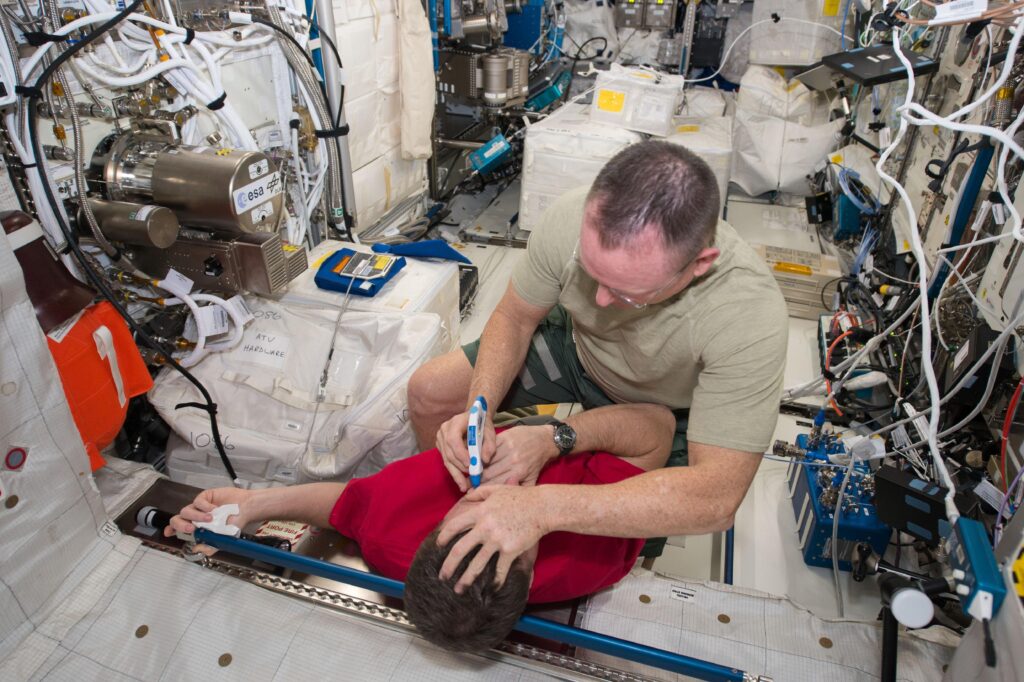
Medical experts familiar with spaceflight physiology point to several risk factors:
- Prolonged exposure to microgravity
- Bone density loss
- Cardiovascular strain
- Immune system suppression
While NASA astronauts train extensively, no simulation fully replicates months in orbit.
According to reporting from major outlets, doctors are now studying whether the condition was mission-related or coincidental. Either outcome matters.
If linked to space exposure, future mission timelines may need adjustment.
Technical Systems Under Review
Alongside medical evaluations, engineers began reviewing spacecraft systems, including:
- Life-support redundancy
- Re-entry temperature regulation
- Crew workload schedules
NASA officials emphasized that no system failure occurred. Still, caution dominates internal discussions.
This dual review — human and hardware — shows how interdependent astronauts and technology truly are.
Why This News Matters Globally
NASA Astronauts spaceflight does not happen in isolation.
International partners rely on NASA standards. Private companies model their systems after government missions. A single concern can ripple through:
- Commercial launch schedules
- Space tourism timelines
- International cooperation agreements
For taxpayers, these missions involve billions in funding. For investors, confidence in space infrastructure directly impacts valuations.
Impact on Future Space Missions
The timing could not be more sensitive.
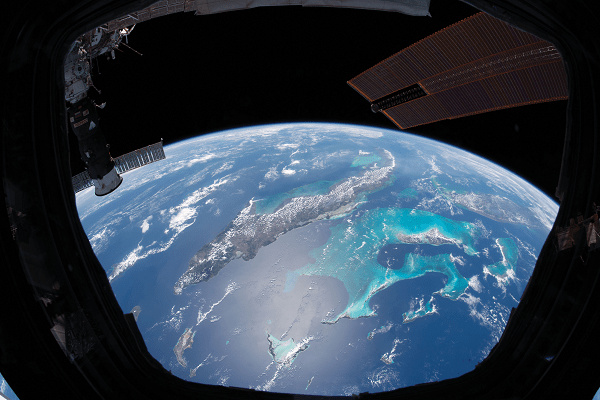
NASA is preparing for extended lunar stays under Artemis. Missions will push human endurance further than the ISS ever has.
If NASA astronauts face increased health risks sooner than expected, agencies may need to:
- Shorten mission durations
- Increase crew rotation frequency
- Redesign habitats
Each change affects budgets and timelines.
Industry and Market Reaction
Public space companies saw brief stock fluctuations following the news.
While markets stabilized quickly, analysts noted rising attention on:
- Crew safety costs
- Insurance premiums
- Mission risk disclosures
For advertisers and media, space exploration remains brand-safe and curiosity-driven — a strong CPM category when handled responsibly.
Lessons From Past Spaceflight Incidents
History offers sobering reminders.
From early shuttle missions to long-duration Mir stays, human spaceflight has always balanced ambition and risk.
What makes today different is visibility. Every return is tracked globally. Every medical update is analyzed instantly.
NASA astronauts now operate under unprecedented public scrutiny.
What Happens Next for NASA
NASA confirmed:
- Ongoing medical monitoring
- Internal mission review
- No immediate mission cancellations
Officials stress learning, not alarm.
Still, behind closed doors, policy discussions are active. The goal is not retreat — it is sustainability.
Human spaceflight must remain safe and scalable.
Final Thoughts
This mission’s return did more than bring astronauts home.
It reminded the world that space remains unforgiving. As exploration accelerates, transparency and preparation will matter more than ever.
NASA astronauts represent human ambition beyond Earth. Protecting them protects the future of exploration itself.
❓ Frequently Asked Questions (FAQs)
Were the astronauts in danger during landing?
No. NASA confirmed the landing was safe and controlled.
Is this a common issue after space missions?
Minor health changes are common, but this case prompted extra review.
Will future missions be delayed?
Currently, no delays have been announced.
Does this affect Moon or Mars plans?
It may influence planning, but missions remain on track.
Are commercial space flights impacted?
Not directly, though safety standards may evolve.