
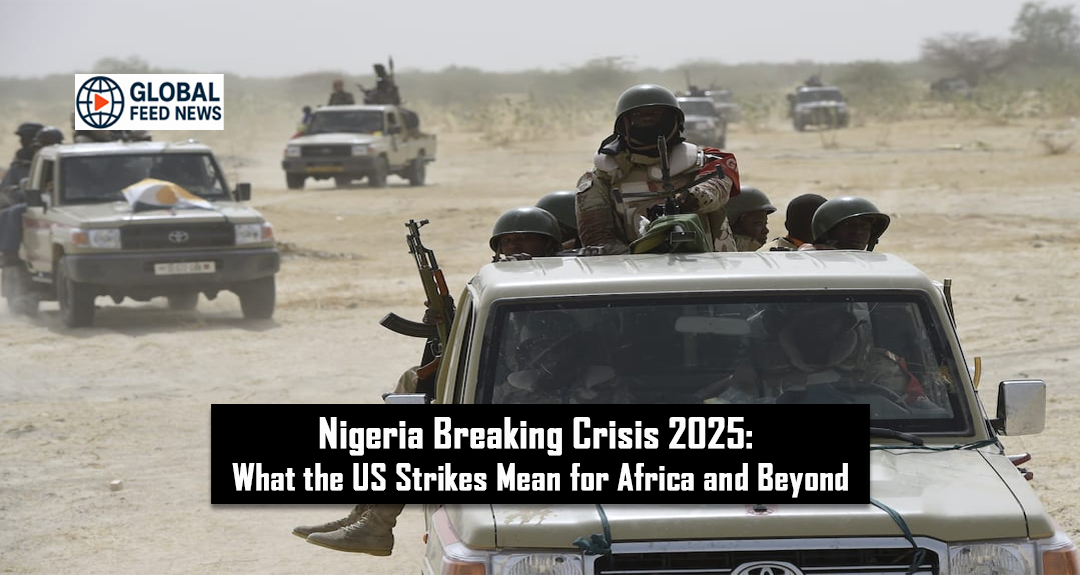
Nigeria is once again at the center of global attention after the United States confirmed targeted airstrikes against ISIS-linked militants operating inside the country, marking a dramatic escalation in international counterterrorism efforts across West Africa.
The development, revealed on December 25, 2025, has sparked intense debate over sovereignty, regional stability, religious violence, and the long-term security outlook for Africa’s most populous nation. While Washington framed the operation as a necessary defensive action, reactions inside Nigeria and across the continent have been far more complex.
This article breaks down what happened, why it matters, and how Nigeria could be affected politically, economically, and socially in the months ahead.
Table of Contents
Nigeria and the US Strikes: What Happened
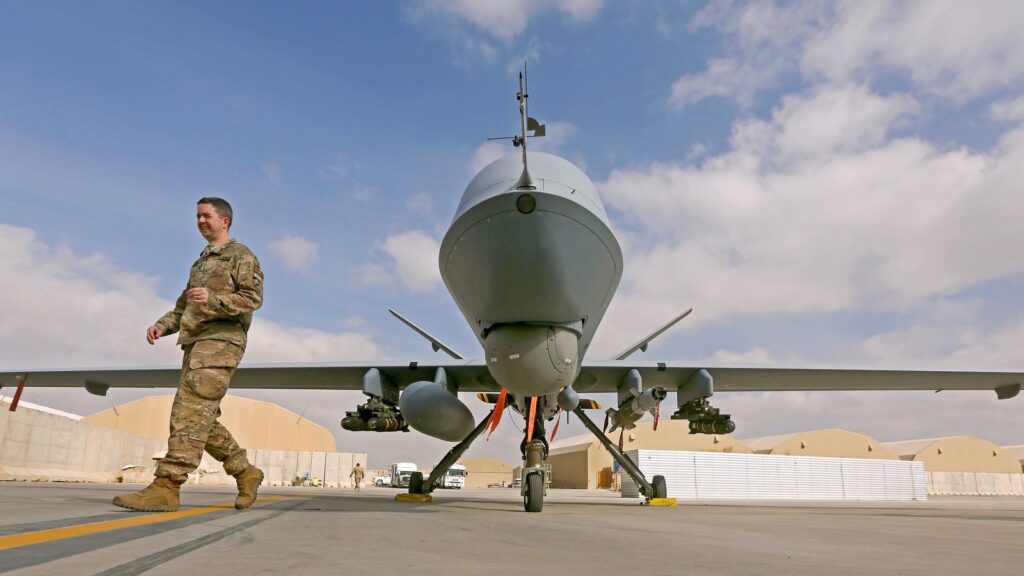
On Christmas Day 2025, US officials confirmed that American forces carried out precision airstrikes on ISIS-affiliated camps located in remote regions of northern Nigeria. According to statements released by the US administration under Donald Trump, the operation targeted militants believed to be planning attacks against civilians and religious communities.
US intelligence agencies claimed the strikes eliminated several high-ranking operatives linked to the Islamic State’s West Africa Province (ISWAP), a faction that has grown increasingly active in Nigeria’s conflict zones.
However, Nigerian authorities were notably cautious in their initial response, emphasizing the need to verify details and prevent misinformation from inflaming tensions.
Why Nigeria Became a Target for ISIS Operations
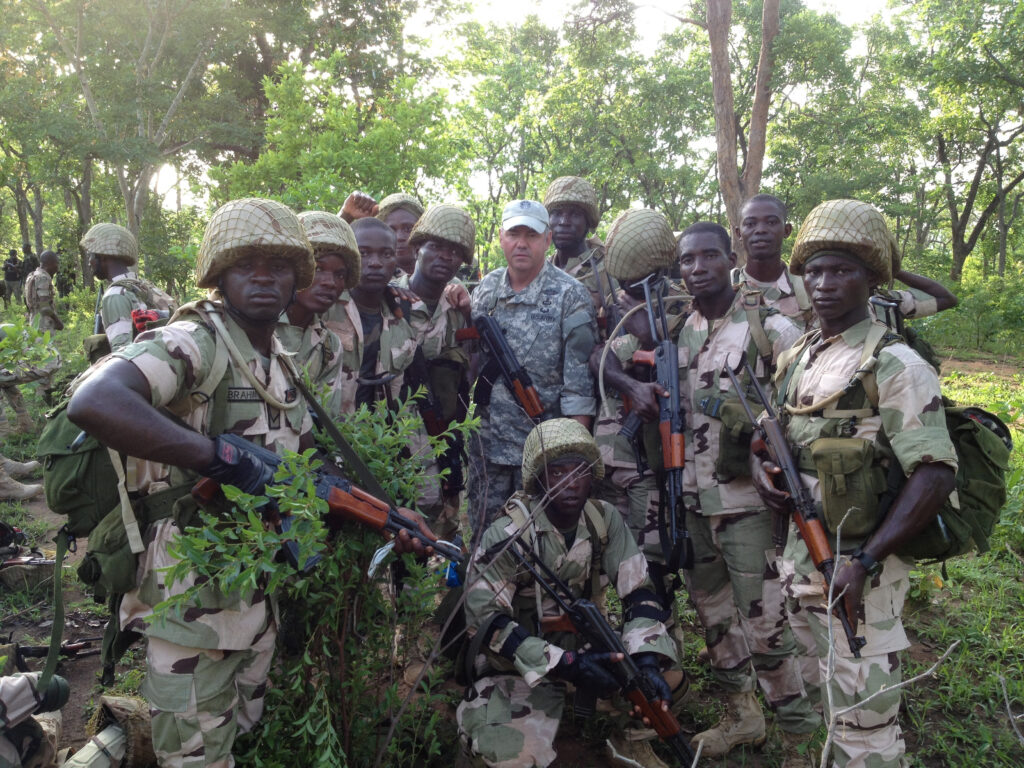
Nigeria has battled extremist violence for more than a decade, primarily from Boko Haram and its splinter groups. Over time, ISIS exploited local grievances, weak governance, and porous borders to expand its footprint in the Lake Chad Basin.
Despite military efforts, militants adapted by blending into rural communities and operating across borders with Niger, Chad, and Cameroon. As a result, Nigeria became a strategic base for ISIS operations in West Africa.
Security analysts say the US strikes reflect growing concern that unchecked militant activity in Nigeria could threaten global interests, including international shipping routes, energy markets, and diplomatic missions.
Trump’s Strategy and the Global Terrorism Shift
The decision to strike ISIS targets in Nigeria aligns with Donald Trump’s broader foreign policy approach: rapid, decisive military action paired with reduced long-term troop deployments.
Unlike earlier interventions, the administration framed the Nigeria operation as intelligence-driven and limited in scope. According to reporting by major US outlets, the goal was deterrence rather than occupation.
However, critics argue that unilateral strikes risk undermining Nigerian sovereignty and could fuel anti-Western sentiment, potentially strengthening extremist recruitment in the long run.
Impact on Nigeria’s Security and Civilians
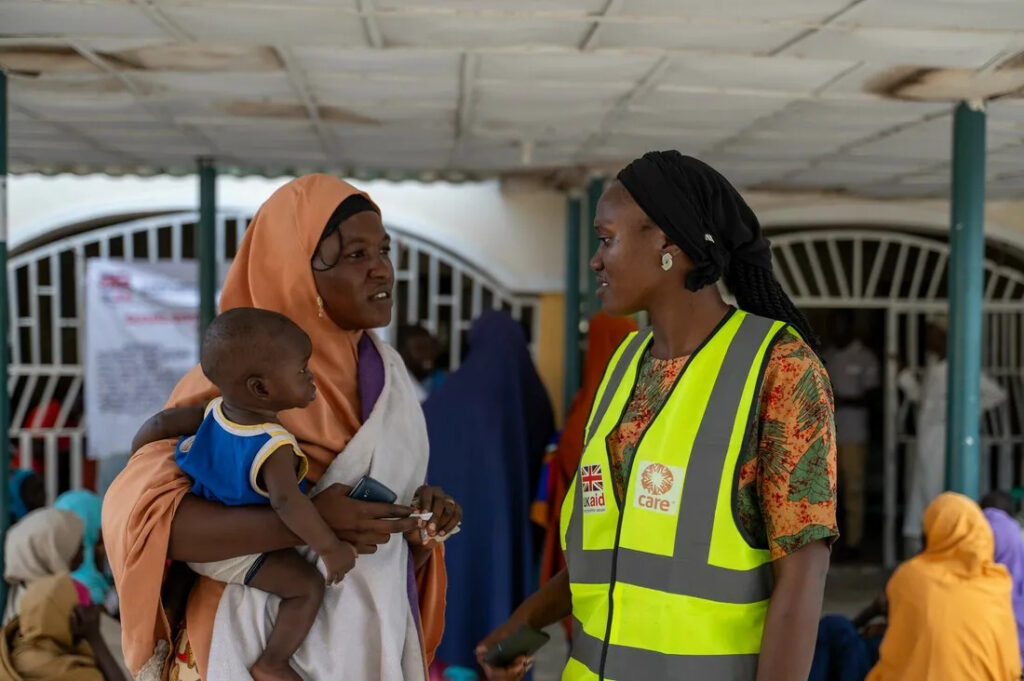
For ordinary Nigerians, the immediate concern is safety. Communities in northern Nigeria have already endured years of displacement, kidnappings, and attacks on schools, churches, and markets.
Human rights organizations warn that foreign military action, even when precise, can have unintended consequences. Civilians may face retaliatory attacks from militants seeking revenge or publicity.
Meanwhile, Nigeria’s armed forces must now manage the aftermath, including intelligence gaps, local distrust, and the risk of militants relocating rather than being eliminated.
Economic and Market Consequences for Nigeria
Beyond security, the strikes could have serious economic implications for Nigeria.
Nigeria is Africa’s largest oil producer, and renewed instability often rattles investor confidence. Following news of the US action, analysts warned of potential volatility in energy markets and foreign direct investment flows.
Insurance costs for infrastructure projects in northern Nigeria could rise, while government spending may shift further toward defense, limiting funds for healthcare, education, and development.
However, some investors view stronger international engagement as a sign that Nigeria’s security challenges are being taken seriously, which could stabilize long-term outlooks if managed carefully.
Religious Violence and International Concerns
One of the most sensitive aspects of the crisis involves attacks on religious communities. Reports from international media outlets highlighted growing concern over violence targeting Christians and other minorities in Nigeria.
According to analysis from CNN, religious tensions have become a focal point in global discussions about Nigeria’s security crisis. Faith-based groups are urging both Nigerian and US leaders to prioritize civilian protection and dialogue.
The risk, experts say, is that framing the conflict solely through a religious lens could deepen divisions rather than address underlying political and economic causes.
What Comes Next for Nigeria and West Africa
Looking ahead, Nigeria faces several critical choices.
First, cooperation between Nigerian authorities and international partners must be transparent to avoid public backlash. Second, military action alone will not defeat extremism without addressing poverty, unemployment, and governance failures.
Regional collaboration through ECOWAS and the African Union could also play a larger role in preventing militants from exploiting borders.
Ultimately, Nigeria’s response in the coming months will shape not only its own stability but also the future security of West Africa.
Expert Analysis: Why This Moment Matters
Security experts say the US strikes mark a turning point. Nigeria is no longer seen as a regional issue but as part of a global counterterrorism strategy.
If handled wisely, the moment could strengthen Nigeria’s institutions and international partnerships. If mishandled, it risks escalating violence and political tension at home.
As one Africa policy analyst noted, “Nigeria is at a crossroads where security, diplomacy, and development must move together — or not at all.”
Frequently Asked Questions (FAQs)
Why did the US launch strikes in Nigeria?
The US said the strikes targeted ISIS-linked militants planning attacks and threatening regional and global security interests.
Did Nigeria approve the US action?
Officials have not fully clarified the extent of coordination, leading to debate over sovereignty and transparency.
Will this reduce terrorism in Nigeria?
Experts say military action may disrupt networks temporarily but long-term solutions require economic and political reforms.
How could this affect Nigeria’s economy?
Short-term investor caution is possible, especially in energy and infrastructure, though stability could improve if security strengthens.
What happens next?
Nigeria is expected to increase internal security operations while engaging diplomatically with international partners.