
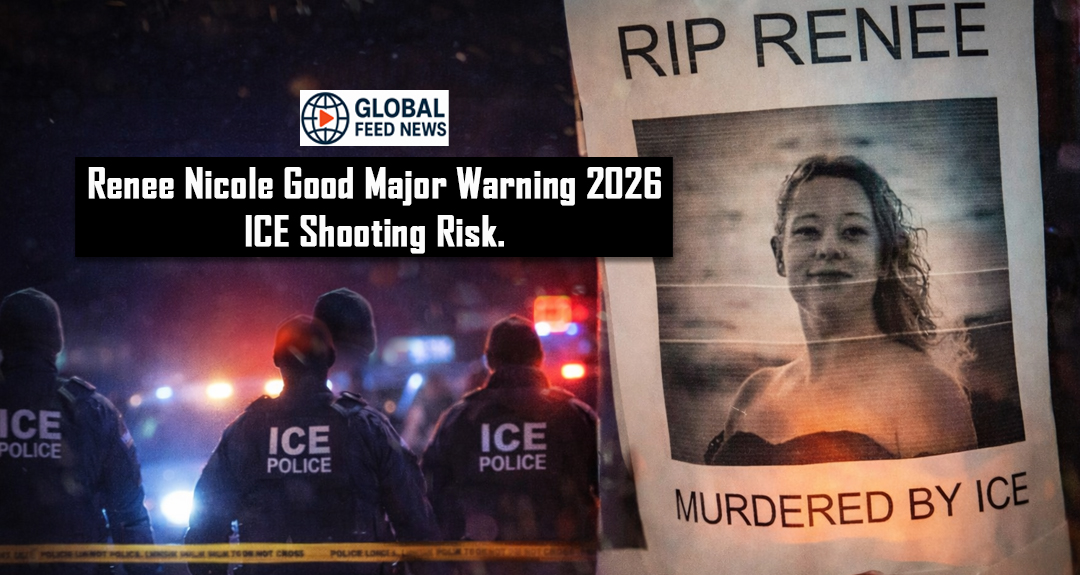
A deep look into the Minneapolis ICE shooting involving Renee Nicole Good, what the video evidence shows, and why this case raises urgent national questions.
Table of Contents
Introduction: A Case That Shook Minneapolis
A fatal shooting involving federal immigration officers has placed Minneapolis back at the center of a national debate over law enforcement accountability.
The death of Renee Nicole Good during an Immigration and Customs Enforcement operation has triggered outrage, confusion, and urgent calls for transparency. As newly released surveillance and body-camera footage circulates, Americans are asking familiar but unresolved questions: when is deadly force justified, and who truly oversees federal agents?
This case is not just about one incident. It reflects deeper tensions between federal enforcement agencies and the communities where they operate.
What Happened During the ICE Operation
According to preliminary timelines confirmed by federal authorities, ICE agents were conducting a targeted enforcement action related to an immigration investigation on January 8, 2026.
During the encounter, officers discharged their weapons, fatally wounding a woman later identified as Good. Officials initially described the shooting as a response to a perceived threat. However, subsequent video analysis has complicated that narrative.
Multiple angles now raise questions about positioning, timing, and escalation—details that remain under active review.
Who Was Renee Nicole Good?
Good was a Minneapolis resident with no public history of violent offenses. Friends and family describe her as private, community-oriented, and deeply rooted in the city.
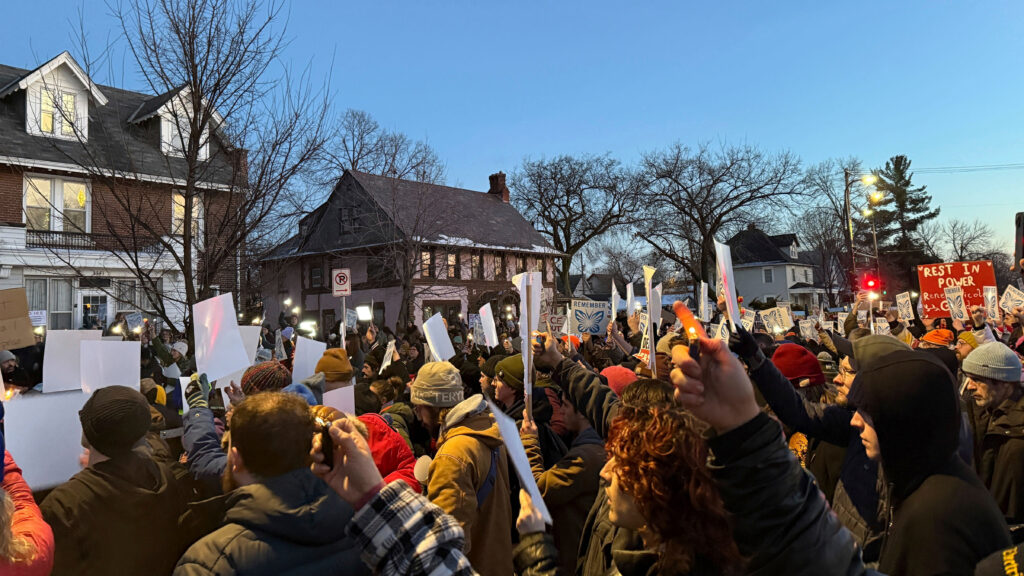
Her sudden death has transformed her from a largely unknown individual into a national focal point. Vigils, online tributes, and public demonstrations reflect growing anger over how the incident unfolded.
For many residents, the case symbolizes a broader fear: that ordinary citizens can become collateral damage during aggressive federal operations.
The Role of Federal Immigration Officers
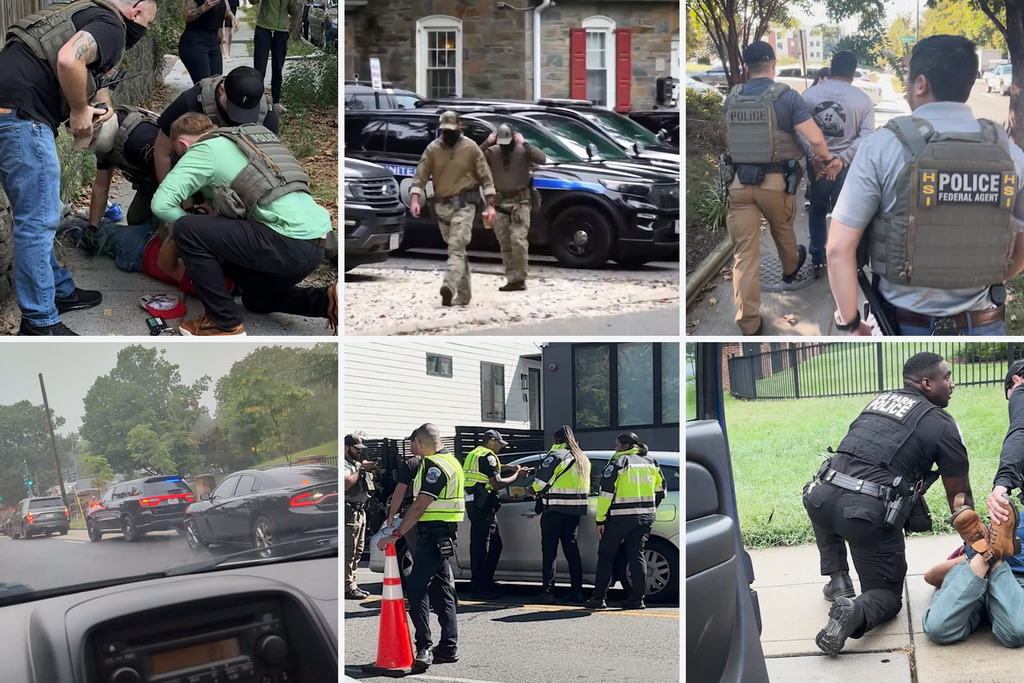
ICE officers operate under a different legal framework than local police. They answer to the Department of Homeland Security, not municipal leadership.
This distinction matters. Federal agents are not subject to local civilian review boards, and internal investigations are often opaque. While DHS has pledged cooperation, critics argue that oversight mechanisms remain insufficient.
Civil liberties advocates warn that such structural gaps erode public trust, especially in cities already wary of federal enforcement.
Video Evidence and Conflicting Accounts
Surveillance footage, partial body-camera recordings, and bystander video have now entered the public conversation.
Analysis by multiple media organizations suggests that the moments leading up to the shooting were chaotic but not necessarily threatening. No clear weapon is visible in available footage.
According to reporting from CNN, experts reviewing the video stress that context, frame rate, and audio clarity are critical before drawing conclusions. Still, the lack of transparency in the immediate aftermath has fueled suspicion.
Why This Shooting Matters Nationally
This is not an isolated case.
Across the U.S., ICE operations have increasingly intersected with local communities in non-border states. When force is used, especially lethal force, the consequences extend far beyond one city.
The Minneapolis incident has already prompted renewed scrutiny from lawmakers and civil rights organizations. Some are calling for congressional hearings, while others demand policy reforms limiting ICE’s operational authority.
Historical Context: ICE Use of Force Cases
Historically, ICE shootings are rare but highly controversial. Past incidents in states like California and Texas resulted in lengthy investigations, often ending without criminal charges.
Critics argue this pattern reinforces a perception of impunity. Supporters counter that agents face unpredictable risks and must make split-second decisions.
What distinguishes this case is the volume of visual evidence and the speed at which it entered the public domain.
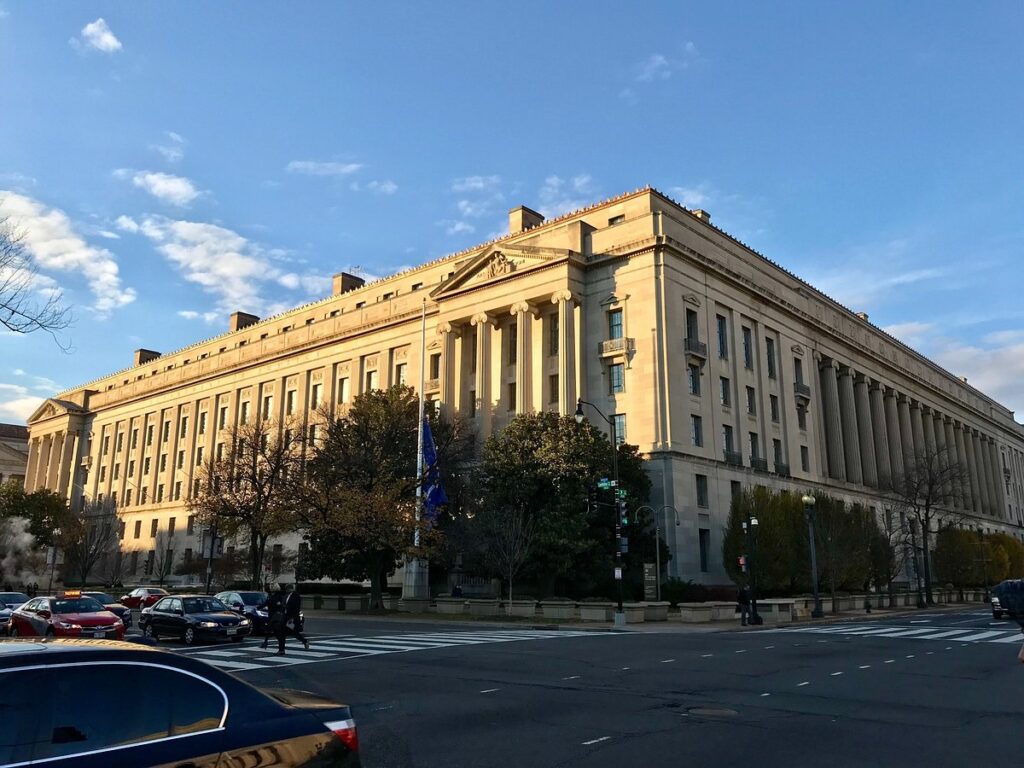
Legal Questions Surrounding the Incident
Several legal issues are now under examination:
- Was deadly force objectively reasonable?
- Did agents follow federal use-of-force protocols?
- Were de-escalation options exhausted?
Legal experts note that federal cases face higher prosecutorial thresholds. Even so, civil lawsuits remain likely, particularly if internal reviews contradict public statements.
Community Reaction and Public Trust
Minneapolis residents are no strangers to police-related trauma. This history has amplified reactions to the shooting.
Community leaders warn that unchecked federal authority risks undoing years of fragile trust-building. Protests have remained largely peaceful, but tensions persist.
Public confidence, once lost, is difficult to restore—especially when transparency lags behind public demand.
Expert Analysis on Federal Accountability
Criminal justice scholars argue that independent oversight is the missing link.
Former DOJ officials interviewed by national outlets emphasize the need for external review bodies with real enforcement power. Without them, internal investigations risk being perceived as biased, regardless of outcome.
Accountability, experts say, protects both civilians and law-abiding officers.
Economic and Institutional Impact
Beyond the human cost, incidents like this carry financial consequences.
Federal investigations, civil litigation, and security deployments strain public resources. Insurance premiums rise. Cities face economic uncertainty when national attention turns negative.
For federal agencies, reputational damage can affect recruitment, funding debates, and legislative scrutiny.
What Happens Next in the Investigation
The Department of Justice has confirmed a preliminary civil rights review. ICE has placed involved agents on administrative leave pending the outcome.
Independent forensic analysis of video and ballistic evidence is ongoing. Results may take months.
Until then, uncertainty remains—and so does public pressure.
Long-Term Implications for ICE Operations
This case could become a turning point.
Policy proposals now circulating include mandatory body cameras, expanded DOJ oversight, and clearer engagement rules during non-violent operations.
Whether reform follows will depend largely on investigative findings and political will.
Conclusion
The death of Renee Nicole Good has become more than a tragic headline. It is a test of federal accountability, transparency, and public trust.
As evidence continues to surface, the nation watches—not just for answers, but for assurance that justice applies equally, even when federal authority is involved.
Frequently Asked Questions (FAQs)
Was Renee Nicole Good armed during the incident?
Authorities have not confirmed the presence of a weapon. Video evidence released so far does not clearly show one.
Are ICE agents required to wear body cameras?
No federal mandate currently exists, though policies vary by unit.
Who investigates federal officer shootings?
Typically the Department of Justice conducts civil rights reviews.
Can the family file a lawsuit?
Yes, civil litigation remains an option regardless of criminal findings.
Could this case lead to policy reform?
Yes. Lawmakers are already citing the incident in reform discussions.