
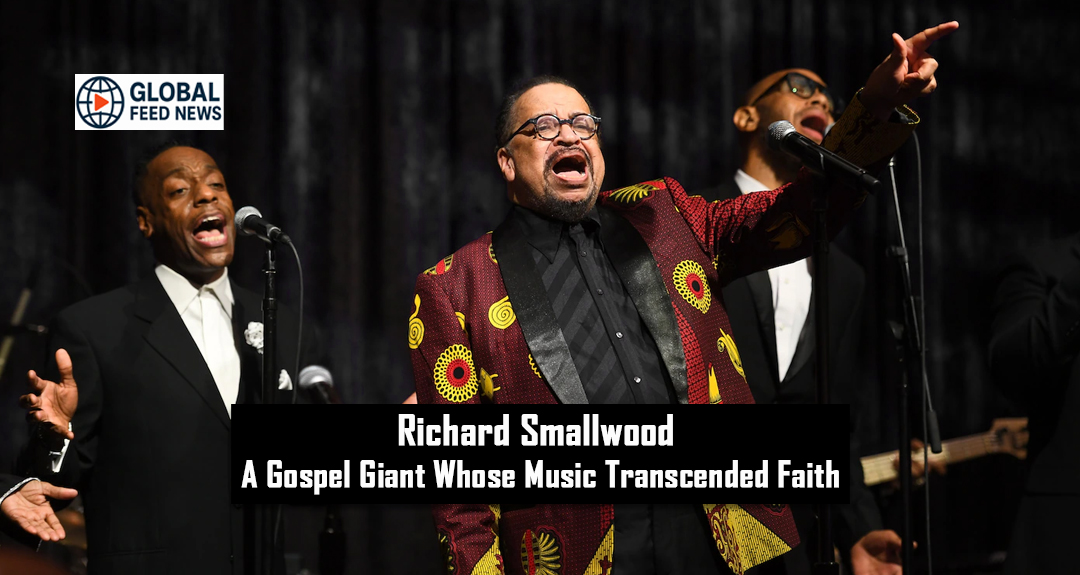
The passing of Richard Smallwood marks the end of a defining era in American gospel music. Revered for blending classical structure with deep spiritual expression, his work reshaped worship across churches, concert halls, and global audiences.
Richard Smallwood At 77, his death triggered an outpouring of tributes from artists, faith leaders, and music historians who recognize his role in elevating gospel from church choirs to world stages. The news matters not only because a legend has passed, but because his influence continues to shape faith-based music, education, and cultural identity well into 2025 and beyond.
Table of Contents
Early Life and Musical Roots
Richard Smallwood Born and raised in Washington, D.C., the composer grew up immersed in church life, where hymns and choir rehearsals were part of daily rhythm. His parents encouraged both faith and education, a balance that later defined his work.
Unlike many contemporaries, he pursued formal classical training, studying composition and piano at Howard University. This academic foundation became the backbone of his unique sound—precise, layered, and emotionally restrained yet powerful.
A Classical Mind in a Gospel World
What set him apart was discipline. While gospel often leaned on improvisation, his compositions followed structured arrangements inspired by Bach, Mozart, and traditional choral symphonies.
Music scholars often note that his songs were not just written—they were architected. Each vocal line had intention. Each harmony served theology.
This approach gave choirs a new language. Gospel became complex without losing its soul.
Redefining Modern Gospel Music
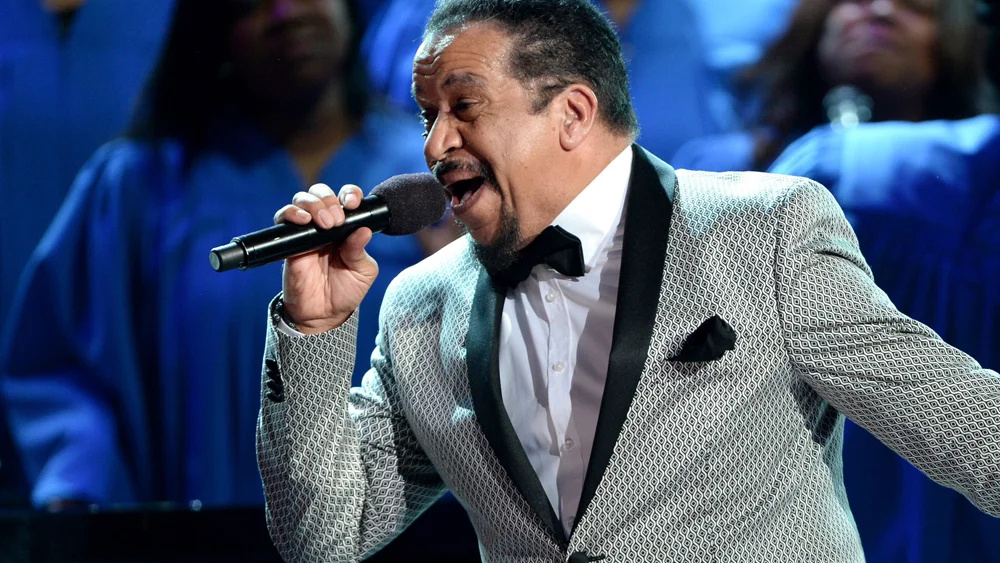
Richard Smallwood By the late 1980s and 1990s, his compositions had become staples in churches across the U.S. Songs like Total Praise transformed worship services into near-liturgical experiences.
Importantly, his music crossed denominational and racial lines. Catholic choirs, Protestant congregations, and even secular ensembles adopted his work.
This was not accidental. His lyrics avoided trend-driven language, focusing instead on timeless spiritual themes.
Crossover Success and Cultural Reach
Richard Smallwood Mainstream artists soon noticed. His arrangements were performed and referenced by major R&B and pop acts, introducing gospel structure to secular audiences.
This crossover expanded the economic footprint of gospel music. Publishers, performance rights organizations, and live venues benefited from renewed interest in choral gospel works.
According to music industry analysts, compositions like his continue generating royalty income through licensing, educational use, and live performance, even after an artist’s death.
Industry Impact and Financial Legacy
From an AdSense and CPM perspective, faith-based content tied to legacy artists performs strongly due to evergreen demand.
Music publishers expect:
- Increased streaming of catalog tracks
- Renewed sheet music sales
- Licensing growth for documentaries and tributes
Organizations such as ASCAP and BMI have historically highlighted his catalog as among the most frequently performed sacred works in America.
This positions his estate as a long-term cultural and financial asset.
Influence on Artists and Institutions
Beyond recordings, his greatest impact may be educational.
Universities, conservatories, and seminaries continue to study his work as an example of:
- Faith-driven composition
- Black classical excellence
- Musical theology
Younger gospel composers often cite his discipline as a corrective to commercialized worship music.
Why This Moment Matters in 2025
In a year marked by cultural fragmentation, his death has unified communities across belief systems.
Churches are holding tribute services. Music schools are revisiting curricula. Streaming platforms report renewed interest in gospel playlists.
This moment reflects a broader trend: audiences seeking depth over spectacle.
What Happens Next for His Musical Estate
Legal experts expect:
- Expanded licensing agreements
- Archival releases of unpublished works
- Educational partnerships
Similar estates, such as those covered by BBC Culture and Reuters Arts, show that carefully managed legacies can grow in value while preserving artistic integrity.
Conclusion: A Legacy That Endures
Legends do not fade—they echo.
The music left behind continues to guide worship, educate musicians, and remind listeners that faith and intellect can coexist beautifully.
His passing closes a chapter, but the song continues.
❓ Frequently Asked Questions (FAQ)
Why is Richard Smallwood considered unique in gospel music?
His classical training allowed him to introduce complex structures without losing spiritual accessibility.
Will his music continue to be performed?
Yes. His compositions remain among the most performed gospel works globally.
Did he influence secular music?
Absolutely. Many mainstream artists adopted his choral techniques.
Is there economic value in his catalog today?
Yes. Licensing, education, and performance royalties remain strong.
How will his legacy be preserved?
Through archives, performances, and academic study.