
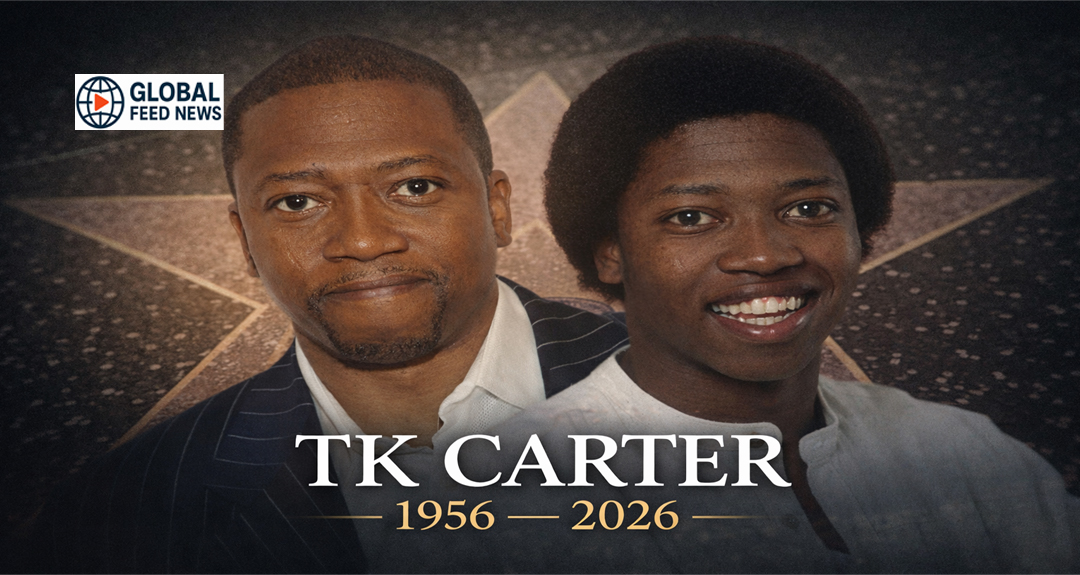
The sudden passing of TK Carter has sent a quiet but powerful shockwave through Hollywood and long-time film fans. While he may not have been a constant tabloid fixture, his work left a lasting mark across generations of moviegoers.
As tributes continue to pour in, Carter’s death in early 2026 is being viewed as more than a loss of talent. For many in the entertainment industry, it has become a moment of reflection—about health, aging actors, and the silent pressures that follow life after mainstream success.
This article explores what happened, why it matters, and what the industry may need to confront next.
Table of Contents
Who Was TK Carter?
TK Carter was an American actor best known for supporting roles that became far more memorable than their screen time suggested. He carved a niche in genre films and mainstream hits alike, earning respect among directors and peers even when fame stayed modest.
Unlike many of his contemporaries, Carter avoided scandals. His reputation was built on professionalism, consistency, and adaptability—traits that kept him working steadily for decades.
Early Life and Breakthrough Roles
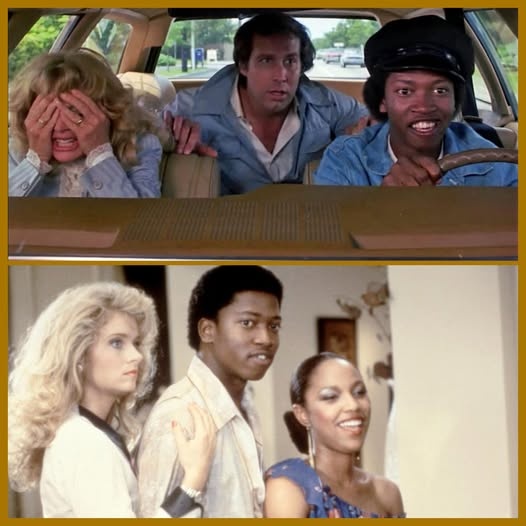
Born in the United States, Carter entered acting during a period when Hollywood was shifting toward high-concept blockbusters and experimental science fiction. He found early success by leaning into character work rather than chasing leading roles.
His breakthrough came when he appeared in John Carpenter’s cult classic The Thing, a film that would later be re-evaluated as one of the most influential sci-fi horror movies ever made.
That role alone secured him a permanent place in film history.
A Career Built on Cult Classics
Carter later reached a new generation through appearances in popular 1990s films, including Space Jam. While the movie itself became a pop-culture phenomenon, Carter’s presence added depth to a cast that blended sports, animation, and live-action storytelling.
Over time, his filmography grew into a résumé admired by cinephiles:
- Genre films that aged well
- Ensemble casts with lasting cultural impact
- Television roles that emphasized reliability
He was never the loudest name—but often one of the most respected.
The Final Days: What We Know So Far
According to multiple reports, Carter passed away peacefully in January 2026. Officials have not indicated any suspicious circumstances, and early statements suggest natural causes.
Family members have requested privacy, a request that has largely been respected by major media outlets.
Still, the lack of public detail has fueled broader discussion—not speculation—but concern over how aging performers manage health challenges away from the spotlight.
Hollywood Reacts to the Loss
Following confirmation of his death, tributes appeared across social media and industry platforms. Fellow actors described Carter as:
- “A pro’s pro”
- “Quietly brilliant”
- “The kind of actor who made everyone else better”
Several directors highlighted how dependable he was on set, often stepping in to elevate scenes without demanding attention.
This reaction underscores how deeply valued he was behind the scenes.
Why This News Matters Beyond Fame
While celebrity deaths are sadly common, Carter’s passing resonates differently. It highlights a recurring issue in Hollywood: what happens to actors once the spotlight dims.
Many performers from earlier eras lack:
- Consistent health coverage
- Long-term financial planning
- Ongoing industry support
Carter’s death has reopened conversations about how studios and unions support veteran talent.
Health Risks Facing Veteran Actors
Experts note that aging performers often face unique pressures:
- Irregular schedules
- Long gaps between roles
- Stress tied to relevance and income
According to industry health advocates, former actors are statistically less likely to seek early medical intervention—especially when they step away from high-profile projects.
Organizations like Screen Actors Guild have improved benefits over time, but gaps still remain for semi-retired performers.
Industry Impact and Public Response
The entertainment industry thrives on youth and novelty. However, Carter’s death has triggered renewed discussion around legacy talent care.
Some studios are now reportedly reassessing:
- Pension structures
- Residual payment transparency
- Access to preventive healthcare
This mirrors broader labor conversations happening across Hollywood in recent years.
Financial and Market Considerations
From a business perspective, renewed interest in Carter’s work has already appeared:
- Increased streaming searches for The Thing
- Renewed DVD and digital sales
- Higher engagement on classic film platforms
Media analysts note that posthumous attention often leads to short-term revenue boosts for studios and distributors, especially when catalog titles regain relevance.
This raises ethical questions—but also highlights how enduring his performances remain.
What Happens Next for His Legacy?
Carter’s legacy is not defined by awards or box-office numbers. Instead, it lives in:
- Films that aged gracefully
- Fans who discovered his work years later
- Colleagues who valued his professionalism
Film historians expect renewed academic interest in his roles, particularly within the sci-fi and sports-entertainment crossover genres.
Remembering a Quiet Influencer
In an industry obsessed with visibility, Carter proved something rare: impact does not require constant spotlight.
His career stands as a reminder that supporting actors often carry the emotional weight of stories that become timeless.
For many fans, revisiting his films now feels less like nostalgia—and more like gratitude.
Conclusion
The death of TK Carter is a moment of loss—but also of reflection.
It challenges Hollywood to look beyond premieres and profits, toward the long-term wellbeing of those who helped build its most enduring stories.
As audiences revisit his work, one truth becomes clear: his presence mattered. And it still does.
❓ Frequently Asked Questions (FAQs)
What was TK Carter best known for?
He was best known for roles in The Thing and Space Jam, along with several respected television appearances.
How did TK Carter die?
Early reports indicate natural causes. No foul play has been suggested.
Was TK Carter still active in acting?
He had slowed down professionally but remained connected to the industry.
Why is his death significant now?
It has reignited discussions about healthcare and long-term support for veteran actors.
Where can fans revisit his work?
Many of his films are available on major streaming and digital rental platforms.