
Table of Contents
Introduction: Why Everything Seems Expensive.
Have you ever noticed that a grocery bill that once seemed reasonable suddenly becomes higher – even if you’re buying the same items? Or how fuel, rent or school fees quietly increase over time? That feeling isn’t just in your head. It is usually a result of inflation.
Inflation is one of those economic terms we hear often, but it doesn’t have to feel confusing or scary. At its core, inflation is how the value of money changes – and how that affects everyday life. Let’s explain it in simple terms.
What is inflation?
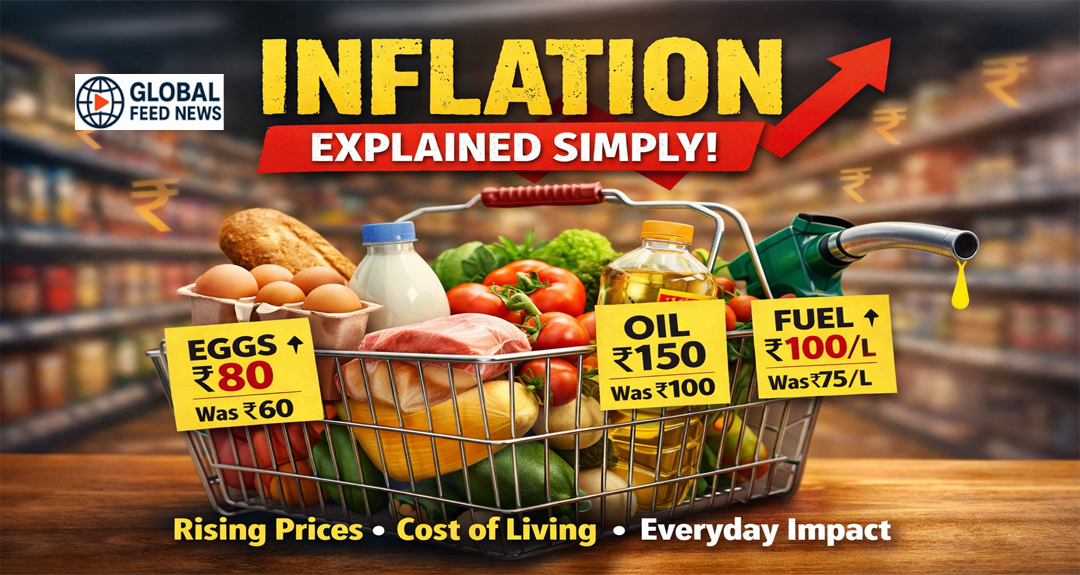
Inflation means a general increase in prices over time. When inflation occurs, money gradually loses its purchasing power. In other words, the same amount of money buys fewer goods and services than before.
Think of it this way:
If ₹100 used to buy you a whole bag of groceries, but today it only buys half of it, then inflation is at work.
Inflation basically means that prices rise, and money doesn’t last as long.
How inflation works (with simple examples).
Inflation usually doesn’t happen overnight. It happens slowly.
Imagine that today your favorite cup of tea costs ₹10. Over the years, the price increases to ₹12, then ₹15. Your salary may also increase, but if prices increase faster than income, you will have trouble.
This slow price increase in many products – food, fuel, clothing, transportation – is what economists call inflation. It’s not about one thing becoming more expensive, but about many things used in daily life becoming more expensive together.
That inflation is explained simply.
Common causes of inflation.
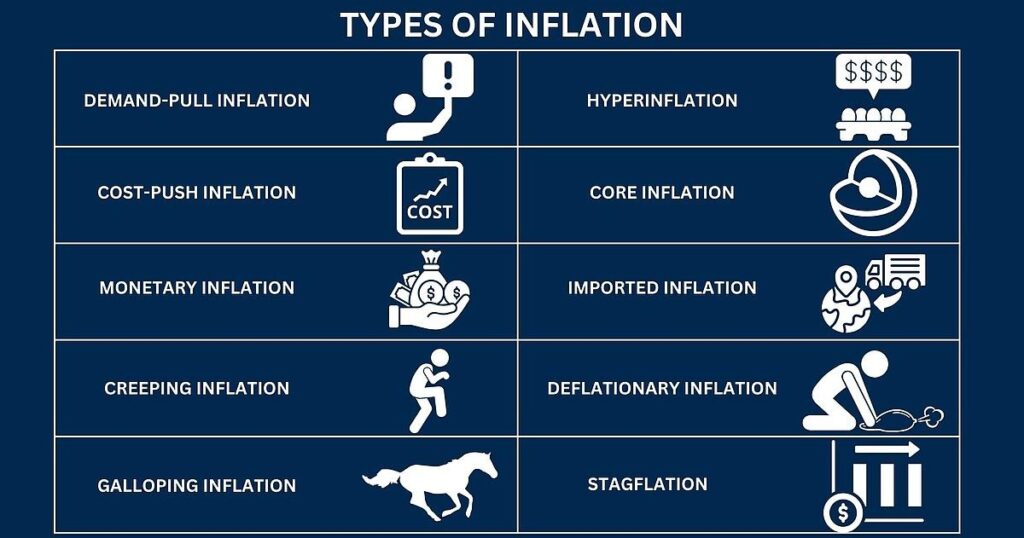
There is not just one cause of inflation. It is usually caused by a combination of factors.
- High demand
When many people want the same goods or services but the supply is limited, sellers raise prices. This often happens during periods of strong economic activity.
- Rising costs
If it costs more to produce goods due to higher fuel prices, wages, or raw materials, businesses often pass those costs on to consumers.
- More money circulating
When there is more money circulating in the economy, people spend more. Prices may increase due to rising costs.
- Supply disruptions
Shortages caused by natural events, transportation problems, or manufacturing issues can reduce supply and increase prices.
How inflation affects everyday life.
Inflation is not just an economic concept – it appears in everyday life.
- Groceries
Often the first thing people notice about inflation is the price of food. Staples like vegetables, cooking oil, and grains are gradually becoming more expensive.
- Fuel and Transportation
When fuel prices rise, transportation costs also rise. This also affects travel, delivery, and food prices.
- Rent and Housing
Over time, rents tend to increase, making housing less affordable—especially for middle-income families.
- Savings
Money sitting idle during inflation loses value. What you save today can buy less in the future.
This is how inflation affects everyday life – quietly, steadily and continuously.
Is inflation always bad?
Surprisingly, no.
A small and stable level of inflation is often seen as a sign of a growing economy. It encourages people to spend and invest money instead of holding on to it.
Problems arise when inflation becomes too high or unpredictable. Rapid inflation makes budgeting difficult, damages savings, and creates uncertainty for households and businesses.
So inflation itself is not the enemy – uncontrolled inflation is.
How governments try to control inflation.
Governments and central banks use several tools to control inflation.
- Interest Rates
Rising interest rates make borrowing more expensive. This could slow down spending and reduce pressure on prices.
- Money Supply Control
Limiting the circulation of money in the economy helps prevent excessive price increases.
- Fiscal Measures
Governments can change taxes or spending to control demand and stabilize prices.
These measures aim to balance growth with price stability – so that inflation does not get out of control.
Why is it important to understand inflation today?
Inflation influences almost every financial decision, from household budgets to long-term planning. When people understand what inflation is, they are better equipped to manage expectations, avoid panic, and make thoughtful choices.
Knowledge brings clarity – and clarity brings confidence.

Frequently Asked Questions (FAQs).
What is inflation in simple words?
Inflation means prices increase over time, and money buys fewer things than before.
Does inflation affect everyone equally?
No. Inflation impacts people differently depending on income, spending habits, and savings.
Can inflation ever stop completely?
In most economies, inflation never fully disappears. The goal is to keep it low and stable.
Why do prices rarely go back down?
Once costs rise—wages, materials, rent—they usually stay higher, so prices follow.
Is inflation the same as rising prices?
Rising prices across many goods over time is inflation. A single price increase is not.
2 thoughts on “What Is Inflation and Why It Matters in Everyday Life? Explained Simply.”